Swimming Pool Repair Made Simple
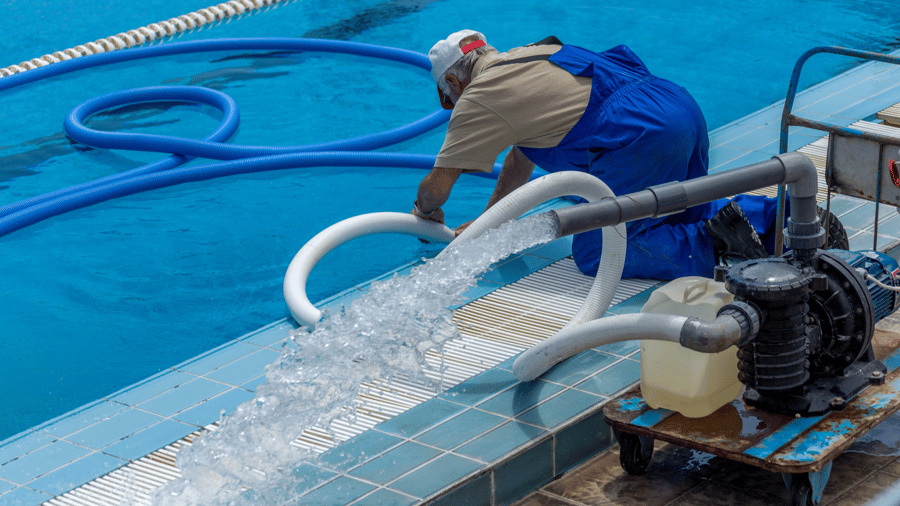
Understanding Common Pool Problems
Regular maintenance is key to prolonging the life of your swimming pool. From surface cracks to plumbing issues, knowing what can go wrong is the first step in prevention. Cracks often appear due to fluctuating temperatures and general wear and tear. Addressing them promptly can prevent water loss and more extensive damage.
Plumbing issues can also pose significant challenges. Leaks are common and can occur in pipes or the pool’s structure. To troubleshoot, look for wet patches around your pool area or a sudden drop in water levels. Tackling these issues early can save on costly repairs.
Importance of Regular Maintenance
Routine maintenance is essential in keeping your swimming pool functioning efficiently. Simple tasks like cleaning filters and skimming the pool's surface can prevent larger problems. Seasonal upkeep, such as winterizing the pool, ensures that cold weather doesn't damage the system.
Maintaining chemical balance is also crucial. Proper pH levels prevent corrosion and inhibit algae growth. Regular testing and adjustment can prevent long-term issues, keeping your pool safe and enjoyable to use.
DIY Repairs: When and How
Many pool owners opt for DIY repairs to save costs. While some tasks require professional expertise, several are manageable on your own. Patching small surface cracks or replacing a faulty pool light are examples of feasible DIY projects.
For DIY success, equip yourself with the right tools and knowledge. Many tutorials and resources are available to guide you through minor repairs. However, if unsure, consulting a professional is always a wise choice to prevent further complications.
Pool Troubleshooting Tips
When facing pool problems, troubleshooting can help identify the root cause. For instance, if the water isn't circulating properly, check the pump and filter for clogs. Unusual noises can signal motor or pump issues, which may need further inspection.
Another troubleshooting tip is to examine the pool’s sanitation system. Inefficient chlorination can lead to murky water, indicating a malfunction. Regular checks and prompt action can resolve many common issues.
Renovation Considerations
Over time, your pool might need more than just repairs. Renovations can enhance functionality and appearance. Upgrading features or redesigning the pool layout can improve aesthetics and energy efficiency.
When considering renovations, have a clear plan and budget. Decide whether you're enhancing the pool for personal enjoyment or increasing property value. Consulting with professionals can provide insights into the latest trends and technologies available.
Conclusion: Keeping Your Pool Pristine
Effective swimming pool repair entails a mix of regular maintenance, timely troubleshooting, and knowing when to seek professional help. By staying vigilant and responsive to your pool’s needs, you ensure its longevity and functionality. Armed with these tips, your pool can remain a safe and enjoyable retreat for years to come.