Understanding the True Costs of Window Replacement
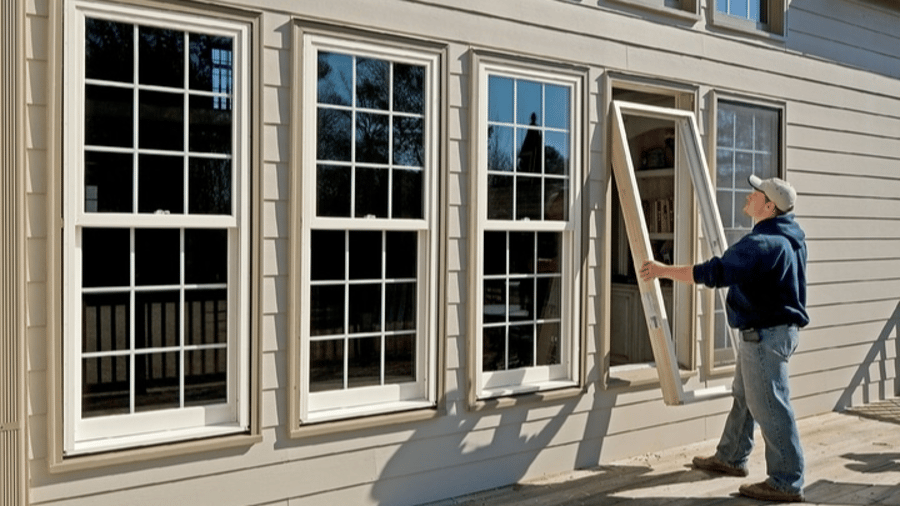
The Complexity of Window Replacement
Replacing windows isn’t just a cosmetic project—it’s a home improvement investment. In the U.S., the cost for a single replacement window can range from $300 to $1,800, depending on several critical factors. Homeowners often face questions such as: Which window materials provide the best value? Does window style affect replacement costs significantly? Are energy-efficient windows worth the extra cost?
Energy efficiency is a major consideration. The U.S. Department of Energy estimates that 25-30% of residential heating and cooling energy is lost through windows. High-quality, energy-efficient windows can reduce these losses, lower monthly utility bills, and even qualify for federal or state rebates, helping offset the initial window replacement investment.
Additionally, homeowners must navigate a wide array of window styles, frame materials, and glass technologies. Making the right choice requires careful evaluation of both immediate costs and long-term benefits of window replacement.
Key Factors That Determine Window Replacement Costs
Material Selection: Vinyl is typically the most cost-effective option for replacement windows, offering durability at a lower price. Wood and fiberglass, while more expensive, provide enhanced aesthetics and longer lifespans. Aluminum frames offer durability but may conduct heat, affecting energy efficiency.
Window Style: The type of window—double-hung, casement, slider, awning, or bay—directly impacts window replacement costs. Larger or custom-shaped windows naturally carry higher price tags.
Glass Technology: Double-pane and triple-pane replacement windows improve insulation. Low-emissivity (Low-E) coatings and gas fills, such as argon or krypton, further enhance energy efficiency but increase cost.
Installation Complexity: Easily accessible windows are straightforward and less expensive to replace. Difficult window installations requiring scaffolding, custom fittings, or structural modifications add to labor costs.
Strategies to Manage Window Replacement Costs Effectively
Energy Incentives: Take advantage of federal, state, or utility company rebates for energy-efficient window replacement. These can substantially reduce upfront expenses.
Bulk Replacements: Replacing multiple windows at once often qualifies for bulk discounts on window replacement services.
Professional Consultation: An experienced contractor can help identify the most cost-effective replacement windows tailored to your home’s unique requirements, preventing costly mistakes during window installation.
Weighing Benefits and Drawbacks of Window Replacement
Pros:
Improved energy efficiency and reduced utility bills with replacement windows
Enhanced home value and aesthetic appeal from professional window replacement
Greater indoor comfort, including reduced drafts and better sound insulation
Cons:
Upfront costs for window replacement can be significant
Potential hidden expenses if complications arise during window installation
Final Thoughts
Window replacement is more than a home upgrade; it’s a strategic investment in comfort, efficiency, and property value. By understanding the multiple factors that affect replacement window costs, homeowners can make informed decisions that balance budget and long-term benefits. Taking a thoughtful, research-driven approach ensures the window replacement process is both effective and rewarding. Explore reputable replacement windows in your area and consult professionals to find the best window replacement solutions for your home’s needs.