Dental Implants and Clinical Trials: A Path to a Confident Smile
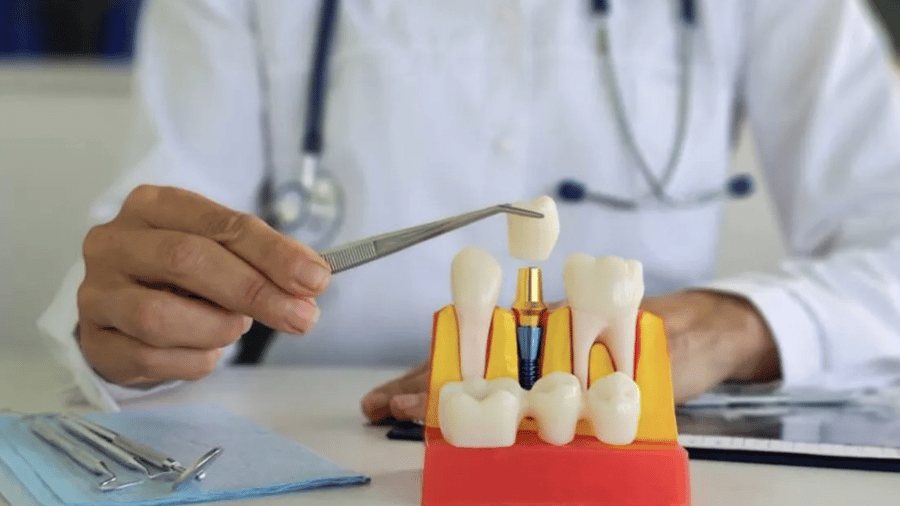
The Challenge of Missing Teeth
Tooth loss is more common than many realize. According to the American College of Prosthodontists, nearly 178 million Americans are missing at least one tooth, and for many, the effects extend beyond cosmetic concerns. Difficulty chewing, speaking, and even reduced self-confidence are everyday struggles. Moreover, poor dental health has been linked to systemic conditions such as heart disease and diabetes, emphasizing the importance of addressing tooth loss promptly.
Dental implants are considered a gold-standard solution, offering durability and a natural look. However, with prices ranging from $3,000 to $5,000 per tooth, dental implant procedures remain out of reach for many Americans without comprehensive dental coverage. Participating in dental implant trials presents an alternative path, combining access to modern oral implants with a cost-effective approach.
Why Consider Clinical Trials for Dental Implants
Clinical trials are often associated with serious medical conditions, but they are increasingly used to test new dental implant procedures and technologies. By participating in a dental implant clinical trial, individuals can receive care from experienced professionals while contributing to innovations that improve dental implant treatments for the wider community.
What Participants Can Expect
Expert Care: Trials are conducted under the supervision of licensed dental specialists, ensuring dental implant treatment is delivered safely and effectively.
Reduced Costs: Many dental implant trials cover the cost of implants and related procedures, making dental implant treatments more affordable than traditional options.
Contribution to Research: Participants help advance dental implant science, improving procedures and outcomes for future patients.
Considerations Before Joining
Participation in a dental implant trial requires careful evaluation. Each study has eligibility requirements, including specific health criteria and lifestyle considerations. Understanding the consent process is essential, as it clearly explains potential risks and benefits. The American Dental Association emphasizes that ethical trials prioritize participant safety, transparency, and informed decision-making when performing dental implant procedures.
Balancing the Benefits and Risks
Pros:
Access to innovative, cutting-edge dental implants
Potentially no cost for implant procedures
Opportunity to contribute to dental implant research
Cons:
Not all candidates will meet eligibility requirements
Possible side effects, as with any dental implant treatment
Time commitments, including regular appointments and follow-ups
Making an Informed Choice
For those facing the high costs of dental implants or struggling with missing teeth, clinical trials offer a practical and innovative solution. By participating, individuals can improve their oral health, restore their confidence, and play a role in advancing dental implant technologies.
Explore local dental implant clinical trials to determine eligibility and understand the potential benefits. With careful consideration, this pathway could provide access to high-quality implant treatments while helping shape the future of dental implants and oral healthcare.