What Psoriasis Looks Like: Symptoms and Appearance
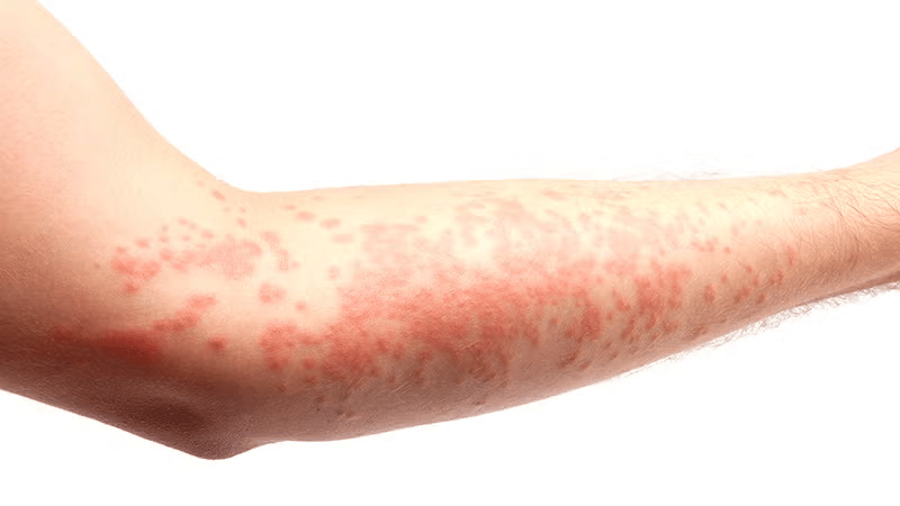
What is Psoriasis?
Psoriasis is an autoimmune condition characterized by the rapid growth of skin cells, leading to scaling on the skin’s surface. According to the National Psoriasis Foundation, approximately 2-3% of the global population is affected by psoriasis. While it can appear at any age, it most commonly develops between the ages of 15 and 35.
Common Symptoms of Psoriasis
The symptoms of psoriasis can vary significantly from person to person, depending on the type and severity of the condition. However, some common symptoms are often observed:
Red patches of skin covered with thick, silvery scales
Dry, cracked skin that may bleed or itch
Itching, burning, or soreness in affected areas
Thickened or ridged nails
Swollen and stiff joints
Recognizing these symptoms early can aid in seeking timely medical advice and appropriate treatment.
Types of Psoriasis and Their Appearance
Psoriasis can manifest in several forms, each with distinct characteristics. Understanding these types can help in identifying and managing the condition effectively.
Plaque Psoriasis
The most common form, plaque psoriasis, is marked by red patches with a silver-white buildup of dead skin cells. These patches often appear on the scalp, elbows, knees, and lower back.
Guttate Psoriasis
Guttate psoriasis often starts in childhood or young adulthood and is characterized by small, red, drop-shaped lesions. These lesions usually appear on the trunk and limbs and may be triggered by infections like strep throat.
Inverse Psoriasis
Inverse psoriasis appears as smooth, red lesions that develop in skin folds, such as under the breasts, in the groin, or around the buttocks. This type of psoriasis can be aggravated by friction and sweating.
Pustular Psoriasis
Pustular psoriasis is characterized by white pustules surrounded by red skin. It can occur on any part of the body but is most common on the hands and feet. It may be accompanied by fever, chills, and intense itching.
Erythrodermic Psoriasis
This is a rare and severe form of psoriasis that leads to widespread, fiery redness over large areas of the body. It can cause severe itching and pain and may require immediate medical attention.
Triggers and Risk Factors
Several factors can trigger or exacerbate psoriasis symptoms. Identifying these triggers is essential for managing flare-ups effectively. Common triggers include:
Stress
Skin injuries, such as cuts or sunburns
Infections, especially strep throat
Cold, dry weather
Smoking and heavy alcohol consumption
Certain medications, including lithium and beta-blockers
Genetics also play a role, as having a family member with psoriasis increases the likelihood of developing the condition.
Management and Treatment Options
While there is no cure for psoriasis, several treatment options can help manage symptoms and improve quality of life. These include:
Topical treatments, such as corticosteroids and vitamin D analogues
Phototherapy, which involves exposing the skin to ultraviolet light
Systemic medications, including biologics and oral treatments
Lifestyle changes, such as stress management and dietary adjustments
Consulting a healthcare professional is crucial to tailor treatment plans according to individual needs and the severity of the condition.
Conclusion
Understanding the symptoms and appearance of psoriasis is vital for effective management and improved quality of life. By recognizing the signs early and identifying potential triggers, individuals can work with healthcare professionals to develop personalized treatment plans. Continued research and awareness are essential to further enhance the understanding and management of this complex condition.