Harnessing the Power of Solar Energy System
Benefits of Solar Energy System
One of the primary benefits of a solar energy system is its ability to reduce electricity bills. By generating electricity from sunlight, homeowners can significantly lower their energy costs. Additionally, solar energy is environmentally friendly, as it produces no greenhouse gas emissions or air pollutants. This clean energy source also helps reduce dependence on fossil fuels, contributing to a more sustainable future.
Components of a Solar Energy System
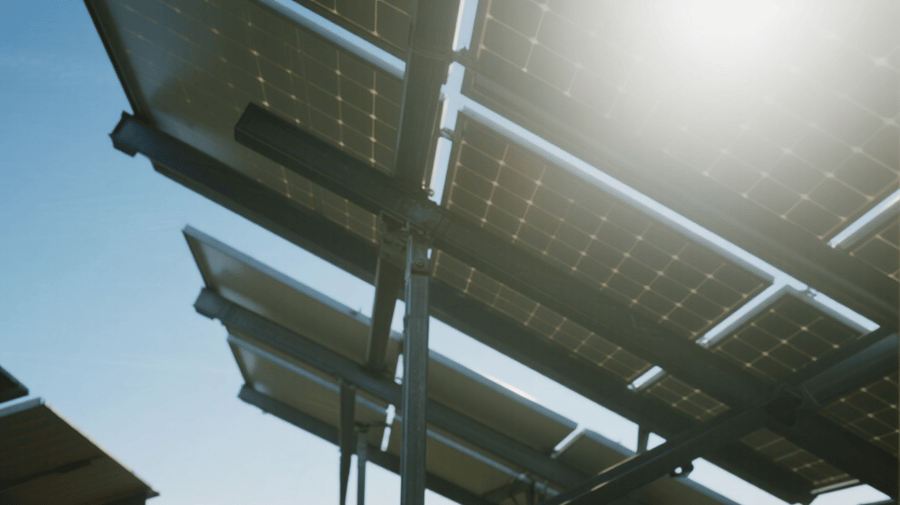
A typical solar energy system consists of solar panels, inverters, mounting structures, and a monitoring system. Solar panels, made up of photovoltaic cells, capture sunlight and convert it into electricity. Inverters then convert this electricity from direct current (DC) to alternating current (AC) for use in homes and businesses. Mounting structures support the solar panels and ensure optimal sunlight exposure, while the monitoring system tracks energy production and performance.
Installation and Maintenance
Installing a solar energy system requires professional expertise to ensure proper placement and connection of components. Maintenance of the system typically involves cleaning the solar panels regularly to remove dirt and debris that may reduce efficiency. It is also essential to monitor the system's performance and address any issues promptly to maximize energy production.
Government Incentives and Rebates
Many governments offer incentives and rebates to encourage the adoption of solar energy systems. These incentives can include tax credits, rebates, and net metering programs that allow homeowners to sell excess energy back to the grid. By taking advantage of these incentives, homeowners can offset the initial cost of installing a solar energy system and enjoy long-term savings on their energy bills.
Conclusion
Solar energy systems offer a sustainable and cost-effective solution for powering homes and businesses. By harnessing the power of the sun, these systems provide clean energy while reducing electricity bills and environmental impact. With government incentives and professional installation, solar energy systems are a smart investment for a greener future.