Skin Care: Achieving Healthy and Radiant Skin
Why Skin Care Is Essential
Your skin is your body’s largest organ and constantly exposed to environmental factors like pollution, sun damage, and stress. Without proper care, your skin can show signs of aging, dryness, and irritation. Skin care goes beyond superficial beauty—it’s about nurturing your skin to keep it healthy and vibrant.
Prevents Skin Damage: Regular skin care routines help protect the skin from harmful environmental factors like UV rays, which can cause premature aging and pigmentation.
Addresses Skin Concerns: Effective skin management can help with specific skin issues, such as acne, dryness, and pigmentation, by targeting the root causes.
Boosts Confidence: Healthy, well-maintained skin can significantly enhance your confidence and overall well-being.
Components of an Effective Skin Care Routine
A good skin care routine is essential for addressing different skin concerns and maintaining overall skin health. The key components of an effective routine include:
Cleansing: Cleansing removes dirt, oil, and makeup from your skin, preventing clogged pores and breakouts. A gentle cleanser suited for your skin type is essential for daily use.
Exfoliating: Exfoliation helps remove dead skin cells, revealing a smoother and brighter complexion. It also encourages skin regeneration. Be cautious with exfoliants, as over-exfoliation can irritate the skin.
Moisturizing: Moisturizing is key to keeping the skin hydrated and preventing dryness. Choose a moisturizer based on your skin type (oily, dry, or combination).
Sun Protection: Sunscreen is perhaps the most important step in any skin care routine. UV rays can cause skin damage, pigmentation, and increase the risk of skin cancer. Using a broad-spectrum sunscreen protects your skin from both UVA and UVB rays.
Targeted Treatments: Depending on your skin needs, you may include serums, toners, or masks to target specific concerns like acne, aging, or dark spots.
Professional Skin Care Treatments
In addition to a daily skin care routine, professional treatments can take your skin care to the next level. These treatments are designed to address deeper skin concerns and offer more immediate results:
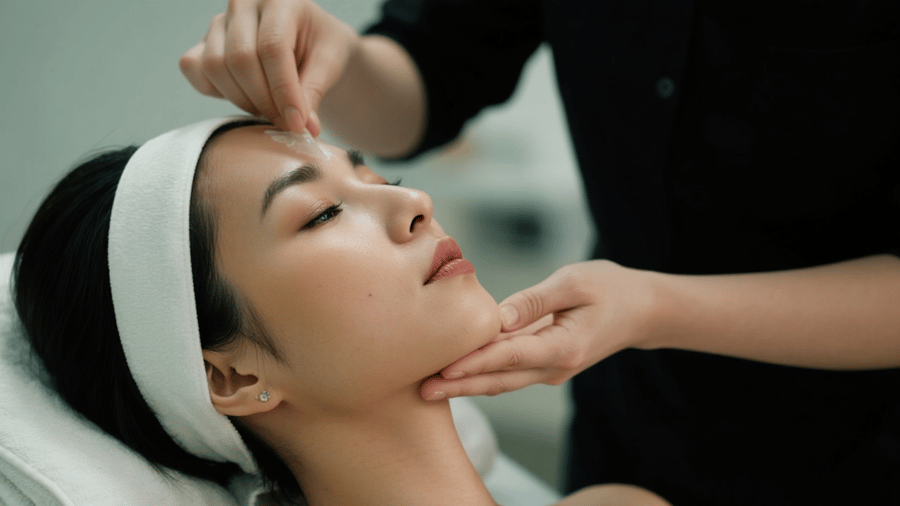
Facial Treatments: Professional facials are designed to deeply cleanse, hydrate, and rejuvenate the skin. Treatments like microdermabrasion, chemical peels, and hydrafacials can target issues such as acne, fine lines, and uneven skin tone.
Laser Therapy: Laser treatments are highly effective for targeting pigmentation, wrinkles, and scarring. Laser resurfacing and fractional lasers can stimulate collagen production and improve skin texture.
Microneedling: Microneedling uses tiny needles to create micro-injuries in the skin, stimulating collagen and elastin production. This treatment can reduce the appearance of scars, wrinkles, and large pores.
Chemical Peels: Chemical peels remove the outer layer of the skin, helping to improve texture, reduce wrinkles, and address pigmentation issues. There are different levels of chemical peels, ranging from light to deep, depending on the skin concerns.
These treatments, when performed by experienced professionals, can complement your home skin care routine and help achieve smoother, clearer, and more youthful skin.
Personalized Skin Care: Tailoring Treatments to Your Needs
Every individual’s skin is unique, which is why a personalized approach to skin care is important. Here’s how you can tailor your skin care:
Identify Your Skin Type: Knowing your skin type (oily, dry, sensitive, combination) is the first step in selecting the right products. Each skin type has different needs that require specific products and treatments.
Understand Your Skin Concerns: If you have concerns like acne, pigmentation, or aging, choosing products and treatments that target these issues can help achieve better results.
Consult Professionals: A professional skin consultation can help determine the best treatments for your skin. Experts can provide insights into your skin’s needs and recommend the most effective products and procedures.
Tailoring your skin care routine and treatments ensures that you address your skin’s specific concerns and maximize the benefits of your efforts.
Tips for Long-Term Skin Health
Maintaining healthy skin is not just about immediate fixes; it's about consistency and healthy habits. Here are a few tips for long-term skin health:
Stay Hydrated: Drinking plenty of water helps keep your skin hydrated from the inside out.
Eat a Balanced Diet: Foods rich in antioxidants, vitamins, and minerals can help nourish your skin. Include fruits, vegetables, and healthy fats in your diet for glowing skin.
Get Enough Sleep: Sleep is crucial for skin regeneration. Ensure you get enough rest to allow your skin to repair itself.
Avoid Smoking and Excessive Alcohol: Smoking and heavy drinking can damage skin health, leading to premature aging and dryness.
Regular Exercise: Exercise boosts circulation, helping deliver nutrients and oxygen to the skin while removing toxins through sweat.
By adopting these habits, you can support your skin’s health and maintain a radiant complexion for years to come.
Conclusion
Skin care is essential for achieving and maintaining healthy, glowing skin. With the right routine, professional treatments, and personalized care, you can address various skin concerns and enjoy the benefits of youthful, radiant skin. Remember, consistent care, healthy habits, and seeking professional advice when needed will keep your skin looking and feeling its best.