Navigating Government Waste Management Contracts for Sustainable Solutions in 2025
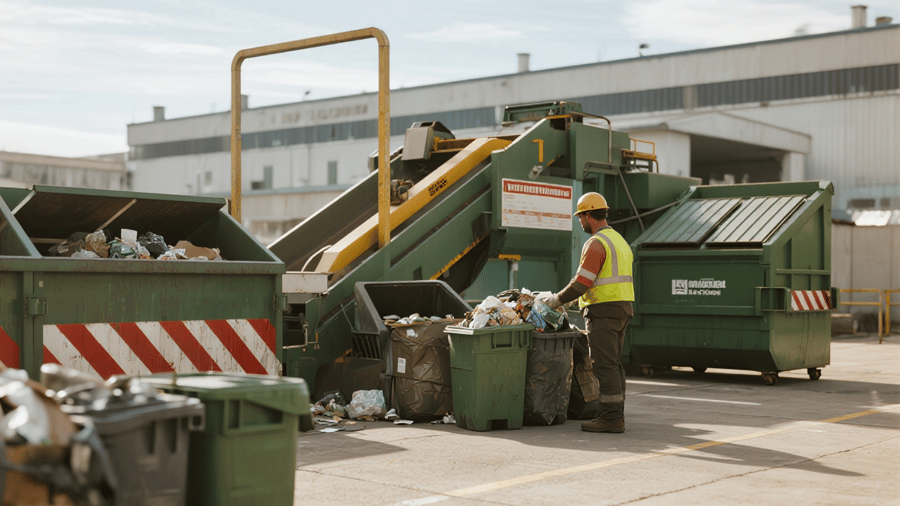
Understanding Government Waste Management Contracts
Government waste management contracts are vital agreements between public entities and private companies designed to optimize how municipal waste is collected, transported, treated, and recycled. These contracts address the critical need for legally compliant and efficient waste disposal services. By structuring clear commitments and expectations, they support sustainable environmental practices and promote healthier urban living spaces.
Types of Waste Management Contracts
Various contracts exist to cover the spectrum of municipal waste services, each targeting specific areas of waste handling and environmental responsibility:
Waste Disposal Contracts: These focus on the collection, transportation, and proper disposal of solid municipal waste, ensuring minimized environmental impacts and regulatory compliance.
Municipal Waste Management Services: Encompassing curbside collection, drop-off centers, and sorting facilities, these contracts improve service delivery and reduce fiscal burdens through public-private collaboration.
Government Recycling Contracts: Emphasizing sustainability, these agreements promote diversion of waste from landfills by detailing responsibilities for collection and processing of recyclables, with built-in targets and incentives.
Solid Waste Management Agreements: Comprehensive in scope, they include waste collection, recycling, and waste-to-energy programs, often with strict environmental and health regulations to protect communities.
Environmental Services Contracts: These extend beyond traditional waste management to include land remediation, soil management, and ecological assessments for broader sustainability goals.
Waste Treatment Partnerships: Collaborative agreements between governments and private sectors to employ advanced treatment technologies that maximize resource recovery and minimize waste volume.
Why Municipalities Invest in Waste Management Contracts
Municipal governments prioritize these contracts because they deliver measurable benefits:
Cost-Effectiveness: By outsourcing to specialized firms, cities can reduce operational expenses and avoid costly penalties from improper waste handling.
Operational Efficiency: Contracts often require detailed performance metrics, ensuring that services run smoothly and adapt to evolving waste disposal needs.
Environmental Stewardship: Structured agreements promote recycling and waste reduction initiatives, contributing to lower landfill dependency and enhanced ecological protection.
Accountability and Transparency: Clear contract terms ensure contractors meet expectations, protecting taxpayer investments and public health.
Essential Elements for Effective Contracts
To ensure positive outcomes, well-structured government waste management contracts include:
Performance Metrics: Specific service quality benchmarks, such as collection frequency, recycling rates, and waste diversion targets, foster accountability.
Regulatory Compliance: Contractors must adhere to environmental regulations and health standards, safeguarding communities.
Incentives and Penalties: Reward mechanisms for exceeding goals and penalties for underperformance incentivize continuous improvement.
Technology and Innovation Requirements: Emphasis on environmentally advanced methods like waste-to-energy and improved recycling processing.
Community Engagement: Contracts often encourage educational programs and transparent communication with residents regarding waste initiatives.
How to Find Government Waste Management Contracts
Companies interested in participating in these contracts can search official government procurement platforms. Resources such as federal, state, and local government contract databases provide access to current solicitations in waste management. Establishing credibility with proven performance and sustainability practices is essential to securing awards.
Steps to Secure a Waste Management Contract
Research Opportunities: Monitor government portals specializing in contract announcements for waste services.
Prepare Proposals: Highlight experience, environmental compliance, performance guarantees, and innovative solutions.
Demonstrate Sustainability Plans: Showcase strategies to enhance recycling rates, reduce landfill use, and improve waste treatment.
Engage Stakeholders: Build partnerships with local governments, community groups, and regulators to align interests.
Meet Contractual Requirements: Ensure readiness to deliver according to stipulated timelines, budgets, and service levels.
Challenges and Considerations
Waste management contracts require navigating complex environmental regulations and fluctuating market conditions for recyclable materials. Contractors must be prepared to adapt to evolving sustainability standards and community expectations.
Municipalities should carefully vet contractors’ track records and financial stability to avoid service disruptions.
Long-Term Impact on Communities
Effective government waste management contracts are instrumental in building sustainable urban environments. They foster cleaner communities by reducing pollution, minimizing landfill dependency, and promoting resource recovery. This ongoing commitment to sustainable solutions is critical for public health and the preservation of natural ecosystems.
Conclusion
Government waste management contracts are more than administrative arrangements; they are strategic tools for advancing sustainability in municipalities. By selecting qualified contractors and enforcing robust contract terms, cities can ensure efficient waste disposal, thriving recycling programs, and comprehensive environmental services that benefit communities in 2025 and beyond.