Comprehensive Guide to Stroke Recovery: Steps and Considerations
Introduction to Stroke Recovery
Recovering from a stroke is a complex journey that demands patience, support, and structured care. Understanding the recovery process helps survivors and their families prepare for the path ahead, focusing on restoring function, managing health risks, and embracing new lifestyle habits.
Understanding the Initial Steps in Stroke Recovery
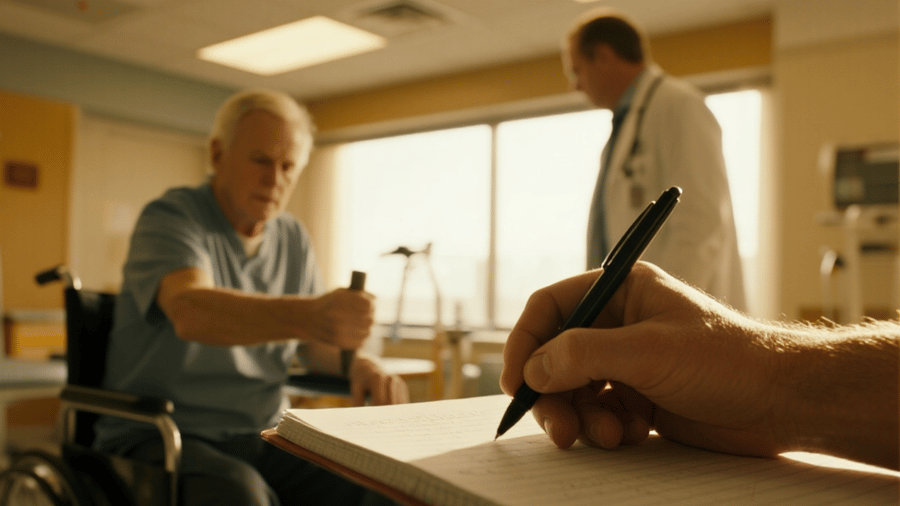
Right after a stroke, immediate medical intervention is critical to minimize brain damage. Once stabilized, the focus shifts toward early rehabilitation. This phase typically starts in the hospital and involves assessing the stroke’s impact on movement, speech, cognition, and daily activities. A multidisciplinary team designs a recovery plan tailored to individual needs.
Early mobilization, physical therapy sessions, and speech therapy often begin here, aiming to regain lost skills and prevent complications such as muscle stiffness and pneumonia. Family education about care techniques and safety also plays a vital role during this phase.
Once a stroke occurs, the immediate focus is on stabilizing the patient and minimizing brain damage. The initial recovery phase involves acute medical care aimed at ensuring the patient’s survival and preparing for rehabilitation. It is crucial to understand the type of stroke experienced—ischemic or hemorrhagic—as this influences the medical interventions required. During this phase, healthcare professionals work to manage risks such as high blood pressure, blood clots, and other complications.
Early rehabilitation is often initiated in the hospital setting. This may include physical therapy to address mobility issues, speech therapy for communication difficulties, and occupational therapy to assist with daily activities. The goal is to begin therapy as soon as possible to promote neural recovery and adaptation. Family members and caregivers play a vital role by providing emotional support and helping the patient follow medical advice.
Some key considerations during this initial phase include:
Understanding the specific stroke type and its implications.
Engaging with a multidisciplinary team for comprehensive care.
Setting realistic short-term goals to motivate progress.
Long-Term Rehabilitation and Therapy
Stroke recovery can extend months or years, varying widely by stroke severity and personal factors. Long-term rehabilitation involves ongoing physical, occupational, and speech therapies to improve strength, coordination, and communication skills. Adaptive equipment and assistive technologies may be introduced to support independence in daily tasks.
Consistent therapy schedules, goal setting, and regular evaluations help track progress and adjust treatments. Community-based rehabilitation programs and support groups can enhance recovery by fostering motivation and social interaction.
As the patient transitions from acute care to rehabilitation, long-term therapy becomes a cornerstone of recovery. The focus shifts to improving functional abilities and enhancing the quality of life. Rehabilitation may take place in various settings, including inpatient rehab facilities, outpatient clinics, or at home, depending on the patient’s needs and progress.
Physical therapy continues to be crucial for restoring movement, balance, and coordination. Techniques such as strength training, flexibility exercises, and balance activities are employed to address specific deficits. Speech therapy is tailored to improve language skills and cognitive functions, especially if the stroke has affected communication abilities.
Occupational therapy focuses on enabling patients to perform daily activities independently, from dressing to cooking. Therapists may introduce adaptive equipment or suggest modifications to the home environment to facilitate independence. Psychological support is also essential to address anxiety, depression, or any emotional disturbances that may arise during recovery.
Considerations for long-term rehabilitation include:
Regularly updating rehabilitation goals based on progress.
Incorporating family and caregivers into the therapy process.
Exploring community resources and support groups.
Nutritional and Lifestyle Adjustments
Diet and lifestyle modifications are fundamental to preventing recurrent strokes and promoting overall health. A balanced diet rich in fruits, vegetables, whole grains, and lean proteins supports brain and heart health. Limiting sodium, saturated fats, and added sugars helps control blood pressure and cholesterol.
Incorporating regular physical activity as tolerated improves cardiovascular fitness and mood. Quitting smoking, managing diabetes, and moderating alcohol intake are crucial lifestyle goals that reduce stroke risk and support recovery stability.
Nutrition and lifestyle adjustments are integral components of stroke recovery. A balanced diet can aid in recovery by providing essential nutrients that support brain health and overall well-being. Patients are often advised to adopt a diet rich in fruits, vegetables, whole grains, and lean proteins, while limiting salt, sugar, and saturated fats to manage risk factors like hypertension and cholesterol.
Regular physical activity is encouraged to improve cardiovascular health and reduce the risk of recurrent strokes. Exercise routines should be tailored to the individual’s abilities and limitations, with a focus on gradually increasing intensity and duration. Lifestyle changes such as quitting smoking and reducing alcohol consumption are strongly recommended to lower stroke recurrence risk.
Key lifestyle considerations include:
Consulting with a nutritionist for a personalized diet plan.
Engaging in regular, moderate exercise under professional guidance.
Monitoring and managing chronic conditions that may have contributed to the stroke.
Emotional and Social Support
Stroke survivors often face emotional challenges, such as depression, anxiety, and frustration due to changes in abilities and lifestyle. Access to psychological counseling, peer support groups, and family therapy can facilitate emotional healing and adjustment.
Social engagement, whether through hobbies, volunteering, or community events, combats isolation and builds a supportive network. Caregivers also benefit from educational resources and respite services to sustain their well-being and caregiving capacity.
Emotional and social support are vital for a holistic stroke recovery journey. The psychological impact of a stroke can be profound, affecting not only the patient but also their family and caregivers. Depression and anxiety are common, and addressing these issues is crucial for successful rehabilitation.
Counseling and therapy can provide emotional support and coping strategies. Group therapy or support groups offer opportunities to connect with others who have experienced similar challenges, fostering a sense of community and understanding. Encouraging social interactions and maintaining relationships can also play a significant role in emotional recovery.
Considerations for emotional and social support include:
Seeking professional mental health support when needed.
Participating in community activities and social engagements.
Creating a supportive home environment to facilitate recovery.
Learn More Information About Stroke Recovery
Knowledge empowers stroke survivors and their families to make informed decisions and actively participate in recovery. Reliable resources include stroke foundations, rehabilitation centers, and government health agencies which provide up-to-date guidance on therapies, support services, and prevention strategies.
Understanding insurance coverage, disability benefits, and rehabilitation programs helps access the comprehensive care necessary for long-term recovery success.
Conclusion: Navigating the Path to Recovery
Stroke recovery is a multifaceted journey that requires a comprehensive approach involving medical care, rehabilitation, lifestyle changes, and emotional support. By understanding the steps and considerations involved, patients and caregivers can better navigate the path to recovery, ultimately enhancing the quality of life and fostering independence. With patience, perseverance, and the right support, recovery is not only possible but can lead to a fulfilling life post-stroke.