Essential Airport Cleaner Requirements for Career Success in 2025
Overview of Airport Cleaner Responsibilities
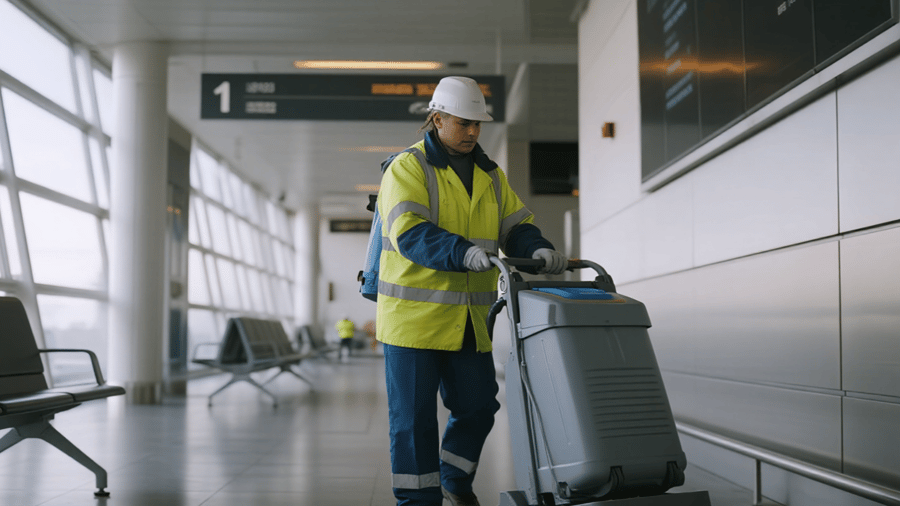
Airport cleaners play a vital role in maintaining a safe, sanitary, and welcoming environment for millions of travelers and airport staff daily. Their duties range from comprehensive cleaning of terminals, lounges, restrooms, and common areas to trash removal and ensuring sanitation standards are rigorously upheld. Cleaners help uphold the airport’s reputation by supporting passenger comfort and public health.
Core Qualifications for Airport Cleaners
Success in airport cleaning roles requires fundamental qualifications that ensure efficiency and safety. The following are essentials:
Experience in Cleaning: Prior experience in janitorial or similar cleaning roles provides a foundation for understanding cleaning techniques, equipment, and chemical use.
Attention to Detail: Airports demand spotless environments; meticulousness in cleaning and inspection is critical to meet hygiene protocols.
Physical Stamina: The job often involves prolonged standing, lifting, and repetitive motions, requiring good physical health and endurance.
Communication Skills: Effective communication with supervisors and team members supports coordination and adherence to safety guidelines.
Understanding Airport Sanitation Requirements
Airport sanitation standards are detailed and strictly monitored to prevent the spread of illness and to comply with regulatory bodies. Cleaners must adhere to guidelines about disinfecting high-touch surfaces, handling waste properly, and using approved chemicals safely. Consistent training on updated protocols is expected to stay current with health and safety regulations, especially in post-pandemic contexts.
Skills Essential for Airport Maintenance Workers
Airport cleaners often collaborate with broader maintenance and facility teams. Key skills include:
Operating and maintaining cleaning equipment such as floor scrubbers and vacuum machines.
Demonstrating knowledge of chemical safety and proper usage per Material Safety Data Sheets (MSDS).
Managing time efficiently to meet cleaning schedules during off-peak and peak hours.
Adapting to changing priorities during airport events, emergencies, or special inspections.
A Typical Airport Janitorial Job Description
Daily tasks typically include sweeping, mopping, dusting, restroom sanitation, trash removal, and sometimes minor maintenance duties like changing light bulbs or reporting repair needs. Cleaners ensure compliance with airport safety and security protocols, including access requirements and identification checks. Flexibility to work night shifts, weekends, and holidays is common due to the 24/7 nature of airport operations.
Preparing for a Career in Airport Cleaning
Those interested in airport cleaning careers should pursue relevant training programs, which may be available through vocational schools or workforce development initiatives. Certifications in OSHA safety standards or environmental cleaning best practices can enhance employability. Emphasizing reliability, attention to detail, and a proactive work ethic in applications and interviews will increase chances of career success.
Conclusion: Your Path to Success in Airport Cleaning
Airport cleaning is a demanding but rewarding career requiring a blend of physical ability, hygiene knowledge, and communication skills. Staying updated on sanitation requirements and developing a strong professional mindset will position prospective cleaners for long-term success in 2025’s competitive job market. This role provides an opportunity to contribute significantly to public health and traveler satisfaction every day.