How to Restore Thinning Hair in Seniors: Effective Strategies for Healthy Growth
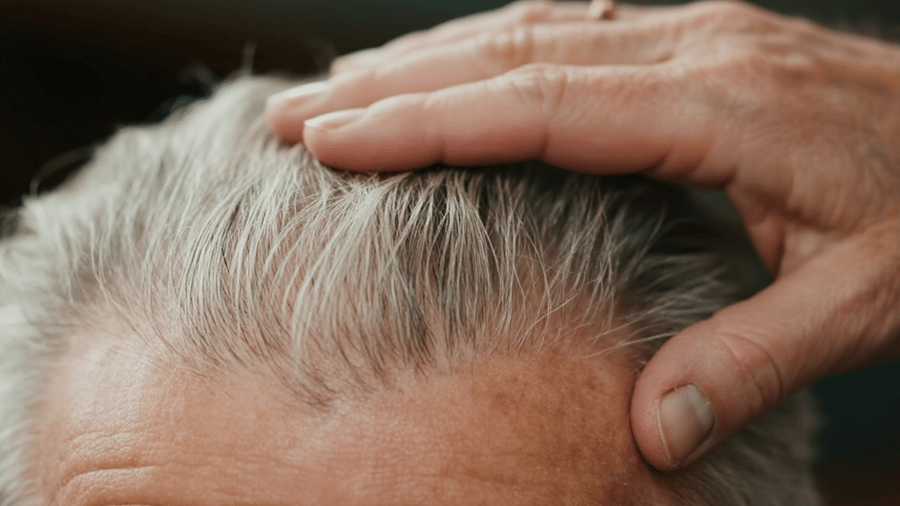
Understanding Hair Thinning in Seniors
Hair thinning is a common concern among seniors, influenced by a combination of age-related changes, genetics, and lifestyle factors. As people age, hair follicles shrink, resulting in finer, weaker hair strands, and slower growth cycles. This natural progression can be exacerbated by health conditions, hormonal shifts, and environmental stressors, making preservation and restoration critical for maintaining hair vitality.
Causes of Thinning Hair in Seniors
The thinness of senior hair can stem from multiple factors. Key causes include:
Hormonal changes: Declining levels of estrogen and testosterone affect hair density and health.
Nutritional deficiencies: Inadequate intake of vitamins and minerals essential to hair growth.
Medical conditions: Thyroid disorders, scalp infections, and chronic illnesses can contribute to hair loss.
Medications: Certain prescriptions may have side effects impacting hair health.
Stress and lifestyle: Physical and emotional stress can accelerate hair thinning.
Diet and Nutrition: Building Blocks for Healthy Hair
Nutrition plays a fundamental role in restoring thinning hair. Seniors should focus on a balanced diet rich in:
Proteins such as lean meats, eggs, and legumes, which provide the keratin building blocks for hair.
Vitamins like A, C, D, and especially biotin and vitamin E that support hair follicle function.
Minerals including iron, zinc, and selenium, vital for preventing hair shedding.
Omega-3 fatty acids found in fish and flaxseed oil, which nourish the scalp and promote hair elasticity.
Hydration and avoiding excessive alcohol and processed foods also benefit hair quality. Consulting a healthcare provider to assess specific deficiencies ensures targeted nutritional support.
Topical Treatments and Medications
Several topical treatments and medications have shown effectiveness in stimulating hair growth and reducing thinning in seniors:
Minoxidil: An FDA-approved topical solution that enhances blood flow to hair follicles and prolongs growth phases.
Finasteride: Though typically prescribed for men, it can help reduce hair loss by blocking hormone conversion that harms follicles.
Natural oils and serums: Products containing ingredients like rosemary oil, peppermint, and caffeine can improve scalp health and vitality.
Before starting any treatment, seniors should consult healthcare professionals to ensure suitability and avoid adverse interactions with existing medications.
Non-Invasive Hair Restoration Techniques
Modern technology offers gentle, non-invasive options for hair restoration tailored to seniors’ needs:
Low-Level Laser Therapy (LLLT): This technique uses laser light to stimulate follicle activity and boost hair density.
Platelet-Rich Plasma (PRP) therapy: A procedure where plasma enriched with growth factors is injected into the scalp to promote natural hair regrowth.
Microneedling: Involves tiny scalp punctures to enhance absorption of topical products and stimulate collagen production.
These methods can complement other treatments for a comprehensive approach to hair restoration.
Embracing Hair Health in Later Years
Beyond active restoration techniques, embracing a holistic mindset about hair health is vital. Managing stress through mindfulness, maintaining a healthy lifestyle, and gentle hair care practices—such as using mild shampoos, avoiding excessive heat styling, and protecting hair from harsh environmental factors—can sustain gains and improve overall scalp condition.
Regular follow-ups with dermatologists or trichologists help seniors monitor progress and adjust strategies as hair health evolves.
Taking Action for Fuller, Healthier Hair
Restoring thinning hair in seniors is achievable by combining understanding of causes, optimal nutrition, medical and natural treatments, modern therapies, and lifestyle adjustments. Taking proactive steps not only improves hair appearance but also boosts confidence and quality of life. Consultation with healthcare providers ensures safe and effective personalized plans. Embrace these strategies today to enjoy healthier hair in the golden years.