Essential Tips for Maintaining Vaginal Health: Guide to Comfort and Wellness in 2025
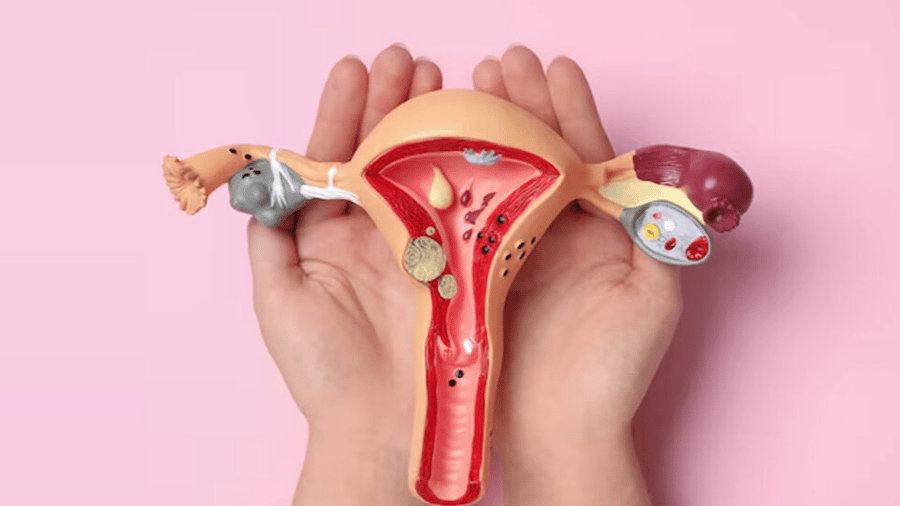
Understanding Vaginal Health
Vaginal health is a vital aspect of overall wellness that impacts comfort, confidence, and quality of life. Maintaining a healthy vaginal environment helps prevent infections, irritation, and discomfort while promoting natural balance. This guide offers essential, evidence-based tips to keep vaginal health optimal throughout 2025 and beyond.
Maintain Proper Vaginal Hygiene
Good hygiene is fundamental. Clean the area with mild, unscented soap and warm water daily, avoiding harsh chemicals or douches that disrupt natural flora. Always wipe from front to back to prevent bacteria from entering the urethra or vagina. Regular changing of sanitary products during menstruation also reduces infection risk and irritation.
Wear Breathable Fabrics
Choosing breathable fabrics, such as 100% cotton underwear, allows air circulation and reduces moisture buildup, a common cause of irritation and yeast infections. Avoid tight-fitting clothes and synthetic materials that trap heat and moisture. Opt for loose clothing when possible to maintain a dry, comfortable environment for vaginal skin.
Practice Safe Sex
Practicing safe sex is critical for preventing sexually transmitted infections that affect vaginal health. Use barrier methods like condoms consistently and correctly. Open communication with partners, regular screenings, and prompt treatment of any infections keep the vaginal environment balanced and reduce risks of complications.
Stay Hydrated for Internal Balance
Drinking plenty of water supports vaginal health by maintaining mucosal hydration and flushing toxins from the body. Hydration prevents dryness which can lead to discomfort and increase susceptibility to irritation or infection. Aim for at least eight glasses of water daily, adjusting intake depending on activity and climate.
Balanced Diet and Probiotics
Your diet directly influences vaginal microbiota. Eat a balanced diet rich in fruits, vegetables, whole grains, and lean proteins to support immune and vaginal health. Incorporating probiotics, either through supplements or fermented foods like yogurt and kefir, helps maintain the good bacteria that protect against infections such as bacterial vaginosis and yeast overgrowth.
Natural Vaginal Health Maintenance Strategies
Consider natural approaches to enhance vaginal wellness. Avoid scented lotions, sprays, or powders around the genital area since they can disrupt pH balance. Regular moderate exercise improves circulation, supporting tissue health. Stress management techniques also positively affect immune function which plays a role in maintaining balanced vaginal flora.
When to Consult a Healthcare Provider
Seek medical advice if experiencing unusual symptoms such as persistent itching, burning, unusual discharge, or odor. Early diagnosis and treatment of infections or conditions like yeast infections, bacterial vaginosis, or other vaginal disorders prevent complications and help maintain comfort and wellness.
Empowerment Through Awareness
Staying informed about vaginal health empowers proactive care. Understanding changes your body may go through during hormonal shifts like menstruation, pregnancy, or menopause allows tailored self-care. Embrace routine gynecological visits to monitor vaginal health status and discuss any concerns confidentially.
Summary
Maintain gentle vaginal hygiene daily without harsh chemicals.
Wear breathable cotton underwear and avoid tight clothing.
Practice safe sex with consistent condom use and regular testing.
Stay well-hydrated to support mucosal moisture and detoxification.
Eat a balanced diet complemented by probiotics to sustain healthy bacteria.
Adopt natural health strategies—limit scented products, exercise, and manage stress.
Consult healthcare providers promptly for any unusual symptoms.
Stay aware of bodily changes and schedule regular check-ups for ongoing wellness.
By following these essential tips for vaginal health in 2025, you can enjoy enhanced comfort, reduced infection risks, and long-term vaginal wellness. Prioritizing this aspect of health supports overall quality of life and confidence.