Effective Vaginal Itching Remedies: Natural and OTC Solutions for Relief
Understanding Vaginal Itching
Vaginal itching is a common discomfort experienced by many women and can result from various causes including infections like yeast infections or bacterial vaginosis, irritants such as soaps and hygiene products, or hormonal changes. Recognizing the root cause is vital to selecting the right treatment approach and achieving lasting relief.
Home Remedies for Mild Vaginal Itching
Many women seek gentle home remedies to alleviate mild external irritation before resorting to pharmaceutical treatments. It is essential, however, to use these remedies cautiously and externally only, avoiding insertion into the vagina unless supervised by a healthcare professional.
Yogurt: Consuming probiotic yogurt may support a healthy vaginal microbiome, though there is limited evidence of its direct effect on itching. Avoid internal vaginal application unless advised by a clinician.
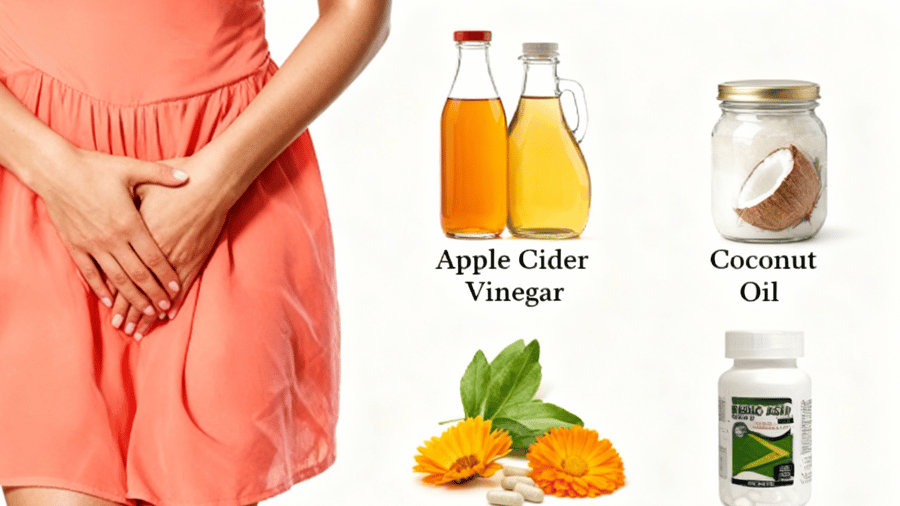
Coconut Oil: Coconut oil can soothe dry and irritated external skin but may trap moisture and worsen infections. Use only on the skin and discontinue if symptoms worsen.
Aloe Vera: Pure aloe vera gel is known for soothing irritated skin but avoid products containing fragrances or alcohol, as these can exacerbate irritation.
Natural Treatments for Vaginal Itching
Various natural topical treatments may provide relief but should never be used internally and require precautions such as dilution and patch testing to prevent reactions.
Tea Tree Oil: Known for antifungal properties, tea tree oil must be diluted with a carrier oil and tested on a small skin area before external use. Do not use undiluted or internally, as it can irritate delicate skin.
Witch Hazel: An alcohol-free, diluted witch hazel preparation may soothe external irritated skin but should not be applied to mucous membranes or broken skin.
Apple Cider Vinegar: Some find relief using diluted apple cider vinegar in a warm bath, but it can cause or worsen irritation. Use with caution and avoid if open sores or severe burning are present.
Over-the-Counter Creams and Treatments
If natural and home remedies do not alleviate symptoms, over-the-counter (OTC) creams can offer targeted relief. Hydrocortisone creams may temporarily relieve external itching, while antifungal creams address yeast infections effectively. It is crucial to consult a healthcare provider before starting any OTC treatment to ensure appropriateness based on the underlying cause.
Soothing Oils for Vaginal Discomfort
Soothing oils can provide rapid relief from discomfort associated with vaginal itching. Some effective oils include:
Jojoba Oil
Olive Oil
Lavender Oil
These oils should be applied topically to the external affected areas to calm irritation and dryness without provoking further irritation.
When to Seek Professional Help
Persistent or worsening vaginal itching despite home care and OTC remedies warrants professional medical evaluation. This may indicate an underlying infection or condition requiring prescription medications or further diagnostic testing. Do not delay medical consultation if itching is accompanied by unusual discharge, odor, pain, or sores.
Practical Tips for Managing Vaginal Itching
Always avoid inserting unadvised substances into the vagina.
Perform patch tests before applying any new topical substance.
Maintain proper hygiene with mild, fragrance-free products.
Wear breathable cotton underwear and avoid tight clothing.
Keep the area dry and change out of wet clothes promptly.
Conclusion
Vaginal itching, though uncomfortable, can often be managed effectively with a combination of natural remedies, home care, and appropriate over-the-counter treatments. Understanding the cause helps tailor the best relief strategy. Should symptoms persist or worsen, seeking medical advice is essential for proper diagnosis and treatment.