12 Days in Peru: Lima, Cusco & Machu Picchu Discovery
Exploring Lima: A Culinary Capital
Lima, Peru's vibrant capital, is widely recognized as one of the world's great gastronomic destinations. Its culinary scene is shaped by centuries of indigenous traditions, Spanish colonial influences, and waves of immigration from Asia and Africa, resulting in a uniquely diverse and innovative food culture. For travelers spending the first days of a 12-day Peru journey here, Lima offers a feast for the senses and a deep dive into the country's cultural heart.
The city boasts several restaurants ranked among the best globally. Notably, Central and Maido have earned spots on the prestigious World’s 50 Best Restaurants list, offering tasting menus that highlight Peru’s incredible biodiversity and culinary creativity. At Central, chef Virgilio Martínez crafts dishes that traverse Peru’s varied ecosystems, while Maido celebrates Nikkei cuisine—a fusion of Japanese and Peruvian flavors—that has become emblematic of Lima’s openness to global influences.
For those seeking authentic local experiences, Lima’s bustling markets are essential stops. The Surquillo Market is a hub of activity where you can sample tropical fruits, fresh ceviche, and classic street foods like causa and lomo saltado. Guided culinary tours often include visits to these markets, cooking classes with local chefs, and tastings of Peru’s signature drink, the pisco sour. For deeper cultural context, the Museum of Peruvian Gastronomy and the Larco Museum provide insight into the historical roots of Peruvian cuisine and the civilizations that shaped it.
Whether savoring seafood at Al Toke Pez, indulging in fine dining at La Mar, or learning to prepare cebiche and causa in a hands-on class, Lima’s culinary offerings are as varied as they are unforgettable. The city’s food scene is not just about eating—it’s a cultural journey that sets the stage for the adventures ahead.
The Journey to Cusco: Gateway to the Andes
After exploring Lima, travelers typically take a short domestic flight to Cusco, the historic capital of the Inca Empire and the gateway to the Andes. Nestled at over 11,000 feet above sea level, Cusco is a city where ancient stonework and colonial architecture coexist, and where the air is filled with the scent of eucalyptus and the sounds of Quechua spoken by locals.
Acclimatization is crucial upon arrival. To help your body adjust to the altitude, plan for a gentle first day: sip coca tea, stroll the cobblestone streets, and explore the lively Plaza de Armas. Cusco’s markets, such as San Pedro Market, offer a taste of daily life—sample Andean cheeses, chuta bread, and the region’s famed potatoes. The city’s restaurants serve both traditional Andean dishes (like alpaca steak and quinoa soup) and contemporary Peruvian fusion cuisine.
Beyond the city, the Sacred Valley unfolds with terraced hillsides, traditional villages, and archaeological sites like Pisac and Ollantaytambo. Many travelers opt for guided tours to learn about Inca engineering, local crafts, and the agricultural techniques that continue to sustain Andean communities. The valley’s lower elevation also provides a comfortable environment for further acclimatization before heading to Machu Picchu.
Cusco is not just a starting point for the Inca Trail or train journeys to Machu Picchu—it’s a destination in its own right, rich in history, spirituality, and living culture. Take time to visit the Qorikancha (Temple of the Sun), marvel at the intricate stonework of Sacsayhuamán, and immerse yourself in the city’s vibrant festivals if your visit coincides with local celebrations.
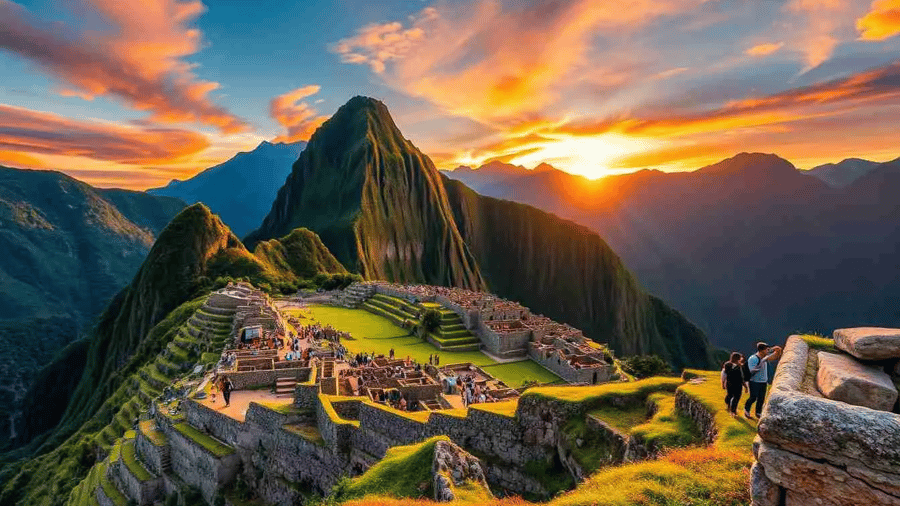
Machu Picchu: The Iconic Incan Citadel
No journey to Peru is complete without a visit to Machu Picchu, the legendary Incan citadel perched high above the Urubamba River. Whether you arrive by trekking the Inca Trail or by train from Ollantaytambo, the first glimpse of Machu Picchu’s terraces and temples emerging from the mist is unforgettable.
Guided tours provide essential context for understanding the site’s history and architecture. Learn about the citadel’s construction, its astronomical alignments, and the possible functions of iconic structures like the Temple of the Sun and the Intihuatana stone. Despite being rediscovered by Hiram Bingham in 1911, much about Machu Picchu remains a mystery, fueling ongoing research and fascination.
Visitors should plan ahead, as entry tickets and permits for hiking Huayna Picchu or Machu Picchu Mountain are limited and require advance booking. The site’s elevation (about 7,970 feet) is lower than Cusco’s, making it accessible for most travelers, but some moderate hiking and stair climbing are involved.
To enhance your experience, consider spending a night in Aguas Calientes, the town at the base of Machu Picchu, to allow for an early morning or late afternoon visit when crowds are lighter. Respect the site’s conservation rules and be mindful of its cultural and spiritual significance to the Quechua people and Peruvians nationwide.
Cultural Insights: Embracing Peruvian Heritage
Peru’s heritage is a tapestry woven from the threads of ancient civilizations, colonial history, and resilient indigenous cultures. Throughout your journey, opportunities abound to connect with local traditions, art, and spirituality.
In Lima, museums such as the Larco Museum offer an introduction to pre-Columbian art and artifacts, while the city’s neighborhoods reveal the legacy of Spanish colonialism alongside contemporary creativity. In Cusco and the Sacred Valley, you can witness traditional weaving demonstrations, visit community-run cooperatives, and learn about the symbolism behind Andean textiles and ceramics.
Festivals play a vital role in Peruvian life. If your visit coincides with events like Inti Raymi (Festival of the Sun) or Corpus Christi, you’ll experience processions, music, and dance that blend indigenous and Catholic traditions. Even outside festival times, daily life in the markets, plazas, and villages offers a window into the enduring spirit of the Andean people.
Engaging with local guides, artisans, and hosts not only enriches your understanding but also supports community-based tourism and the preservation of cultural heritage. Be open to learning a few words in Quechua, trying traditional foods, and participating respectfully in local customs.
Practical Tips for Travelers: Preparing for Your Adventure
Traveling through Peru’s diverse regions requires thoughtful preparation to ensure a safe and rewarding experience. Here are essential considerations for your 12-day journey:
1. Altitude Acclimatization: Spend your first days in Lima or the Sacred Valley to allow your body to adjust before ascending to higher altitudes in Cusco and Machu Picchu. Drink plenty of water, avoid heavy meals and alcohol initially, and take it slow.
2. Packing Essentials: Weather can vary dramatically between coastal Lima, highland Cusco, and jungle-fringed Machu Picchu. Bring layers, a waterproof jacket, comfortable walking shoes, sun protection, and insect repellent. For Machu Picchu, a small daypack and reusable water bottle are recommended.
3. Health and Safety: Consult your healthcare provider about recommended vaccines and altitude medication. Carry a copy of your passport, travel insurance, and emergency contacts. Tap water is not potable—use bottled or filtered water.
4. Booking and Permits: Reserve Machu Picchu entry tickets and train or trek permits well in advance, especially during peak season (May–September). For popular restaurants in Lima, make reservations ahead of time to secure a table.
5. Responsible Travel: Support local businesses, artisans, and community initiatives. Ask before photographing people, and respect sacred sites and environmental guidelines.
6. Language: Spanish is the official language, but Quechua is widely spoken in the Andes. Learning basic greetings can foster goodwill and deeper connections.
By planning ahead and embracing the spirit of discovery, your 12 days in Peru will be filled with memorable encounters, breathtaking landscapes, and a profound appreciation for the country’s rich heritage.