Migraine Massage: Benefits, Techniques And Tips
What is Migraine Massage?
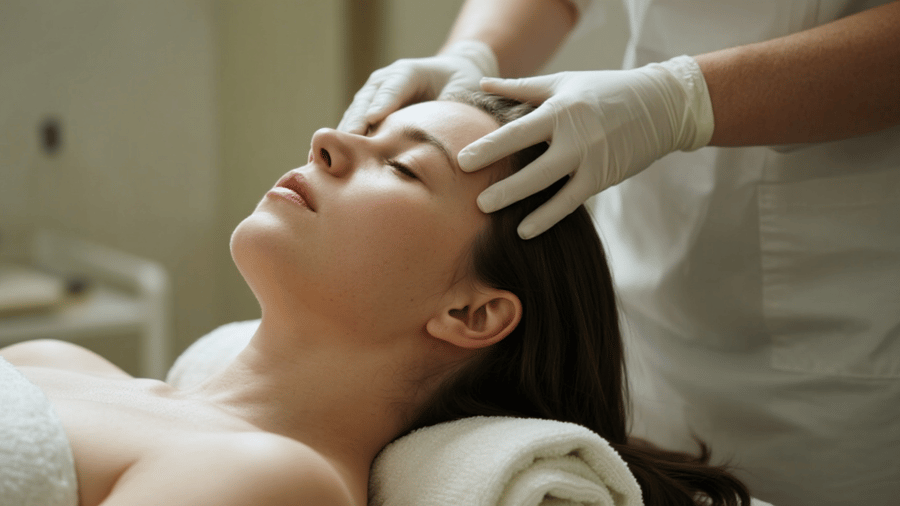
Migraine massage is a specialized form of therapeutic bodywork designed to alleviate the pain, tension, and discomfort associated with migraines. Unlike general massage, migraine massage focuses on the areas most commonly affected during a migraine episode—primarily the head, neck, shoulders, and sometimes the upper back. The goal is to reduce muscle tightness, improve circulation, and promote relaxation, which can help decrease the frequency and severity of migraine attacks. Migraine massage may incorporate specific techniques such as gentle pressure, trigger point therapy, and sometimes the use of cold marble stones to address inflammation and pain. While not a cure, this natural approach offers an alternative or complementary option for those seeking relief beyond medication.
Benefits of Migraine Massage
Pain Relief
Migraine massage can provide immediate relief from headache pain by targeting tense muscles and pressure points. The release of endorphins during massage helps to inhibit pain signals to the brain, offering a natural form of pain management. Many individuals report a noticeable reduction in migraine intensity after a session.
Reduced Tension
Muscle tightness, especially in the neck, shoulders, and jaw, is a common migraine trigger. Migraine massage employs techniques that specifically target these areas, easing stiffness and reducing the physical stress that can contribute to migraine onset. This relaxation of muscle tissue can also improve mobility and comfort between attacks.
Stress Reduction
Elevated stress levels are a major migraine trigger for many people. Massage therapy activates the body’s relaxation response, lowering stress hormones and promoting a sense of calm. This effect can help prevent migraines and reduce their frequency by addressing one of the root causes. Regular sessions may lead to long-term improvements in overall stress management.
Better Sleep
Insufficient or poor-quality sleep is another common migraine trigger. Migraine massage supports better sleep by relaxing the nervous system and encouraging deeper, more restorative rest. Improved sleep can, in turn, reduce the likelihood of future migraine episodes.
Natural Treatment Option
For those seeking alternatives to medication, migraine massage provides a non-invasive and drug-free way to manage symptoms. It can be especially valuable for individuals who cannot tolerate certain medications or who prefer to minimize pharmaceutical use. As part of a holistic approach, massage may be combined with other lifestyle changes to enhance overall well-being.
Techniques Used in Migraine Massage
Several specialized techniques are employed in migraine massage to maximize relief and comfort:
Gentle Pressure and Strokes: Therapists use light to moderate pressure, focusing on the head, neck, and shoulders to avoid overstimulation, which can sometimes worsen symptoms.
Trigger Point Therapy: This technique involves applying targeted pressure to specific points in the muscle that are known to contribute to migraine pain. Releasing these trigger points can decrease both pain intensity and frequency.
Cold Marble Stones: Some therapists use cold marble stones to constrict blood vessels and reduce inflammation. The cooling effect can help soothe the throbbing pain often associated with migraines.
Myofascial Release: This approach targets the connective tissue (fascia) around muscles to release tightness and improve mobility. Myofascial release has been shown to significantly reduce pain intensity in some migraine sufferers.
Pressure Point Stimulation: Gentle stimulation of specific migraine pressure points—such as the temples, base of the skull, and between the eyebrows—can help alleviate pain and promote relaxation.
Each technique is tailored to the individual's symptoms and comfort level. It is important to communicate with your therapist to ensure the approach is appropriate for your needs.
Tips for Migraine Massage
Consult with Your Doctor
Before beginning migraine massage therapy, consult your healthcare provider, especially if you have underlying health conditions or are on medication. Your doctor can help you determine if massage is safe and suitable as part of your migraine treatment plan.
Seek a Qualified Massage Therapist
Work with a licensed and experienced massage therapist who has specific training in migraine or headache massage techniques. Ask about their experience and approach to ensure you receive safe and effective care. You can find qualified professionals by searching reputable directories or asking for referrals from your healthcare team.
Communicate Your Needs
Open communication with your therapist is essential. Clearly describe your migraine history, triggers, and any areas of tenderness or sensitivity. Let your therapist know if any technique causes discomfort so adjustments can be made in real time for your safety and comfort.
Be Consistent
Consistency is key to experiencing the full benefits of migraine massage. Regular sessions—such as weekly or biweekly—may provide better results than occasional visits. Track your symptoms and share updates with your therapist to refine your treatment plan.
Use as a Complementary Therapy
Migraine massage is most effective when used alongside other evidence-based treatments, such as medication, dietary adjustments, hydration, and stress management techniques. It should not replace prescribed treatments but can enhance your overall migraine management strategy.
Read More About Migraine Massage Service
Migraine massage services may offer a gentle, non-invasive way to ease tension and discomfort often linked to chronic headaches. These treatments are designed to focus on muscle groups around the neck, shoulders, and scalp—areas where tightness can trigger or worsen migraines. By improving circulation and encouraging relaxation, this type of therapy might help reduce the frequency or intensity of headache episodes for some individuals.
During a typical session, a licensed massage therapist may apply light to moderate pressure using techniques such as trigger point therapy, acupressure, or cranial massage. Each session usually lasts between 30 to 60 minutes, depending on the provider and the individual’s condition. Some clients prefer regular sessions, while others schedule treatments only when symptoms arise.
Potential benefits could include:
Reduced muscle tension in the head and neck area
Improved blood flow and oxygen delivery to tissues
Lower stress and anxiety levels that may contribute to migraine pain
Enhanced overall relaxation and better sleep quality
Estimated Cost
Prices can vary by location and therapist qualifications.
On average, migraine massage sessions in the U.S. cost between $60 and $120 per hour.
Some wellness centers or spas may offer package discounts or membership rates for repeat sessions.
A few insurance plans might cover part of the cost if prescribed as a therapeutic treatment—check with your provider for eligibility.
Before booking, it’s recommended to consult with a certified massage therapist or healthcare professional to determine whether migraine massage aligns with your condition and treatment plan.
How to Find a Licensed Migraine Massage Therapist Near You
Finding a qualified and experienced massage therapist is an important step when considering migraine-focused treatments. Licensed professionals are trained to understand muscle tension patterns and use safe, appropriate pressure techniques that may support headache relief without aggravating symptoms.
Start by checking local wellness centers, physical therapy clinics, or therapeutic spas that list migraine or cranial massage as a service. Many certified therapists display their license number and credentials on their websites or professional profiles, which helps ensure the treatment meets recognized safety standards.
You can also explore directories from the American Massage Therapy Association (AMTA) or state licensing boards to locate verified practitioners in your area. Reading verified customer reviews and consulting your primary healthcare provider may also help you choose a trusted therapist who understands your specific needs.
If cost is a concern, some clinics may offer introductory rates or senior discounts, while community wellness programs occasionally provide low-cost therapeutic sessions.
Learn more about local migraine massage options and explore available professionals who may help support your wellness routine.
In Conclusion
Migraine massage offers a natural, holistic approach to managing migraine pain and improving quality of life. By targeting muscle tension, reducing stress, and promoting relaxation, this therapy can help decrease the frequency and severity of migraine attacks for many individuals. However, because migraine triggers and responses vary widely, it is important to approach this therapy with professional guidance and realistic expectations. For best results, integrate migraine massage into a comprehensive care plan tailored to your unique needs and in consultation with your healthcare provider.