Unlock the Amazing Benefits of Zumba Classes for Seniors - Dance Your Way to Health
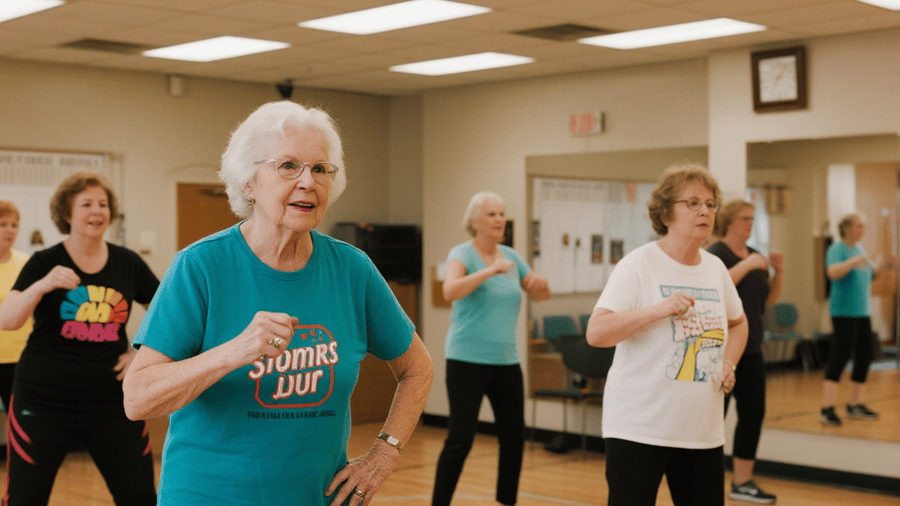
Why Zumba Is Perfect for Seniors Over 60
Zumba offers seniors a unique combination of cardiovascular exercise, strength training, and social interaction wrapped in an enjoyable dance format. Unlike traditional gym workouts, Zumba classes create an atmosphere where fitness feels like celebration rather than obligation. The low-impact movements can be easily modified for different mobility levels, making it accessible for beginners over 60 who may have joint concerns or limited exercise experience.
Research consistently shows that regular dance-based exercise programs improve balance, coordination, and cognitive function in older adults. The rhythmic movements in Zumba help strengthen the core muscles essential for stability, while the varied choreography challenges the brain in ways that support memory and mental sharpness.
Physical Health Benefits That Transform Daily Living
Regular Zumba participation delivers measurable improvements in cardiovascular health, with many seniors experiencing lower blood pressure and improved heart function within weeks of starting. The dance movements naturally incorporate resistance training elements, helping maintain bone density and muscle mass that typically decline with age.
Balance and coordination improvements from Zumba classes significantly reduce fall risks, a major concern for seniors. The multi-directional movements, weight shifts, and rhythm-based steps train the proprioceptive system responsible for spatial awareness and stability. Many participants report feeling more confident navigating stairs, uneven surfaces, and daily activities after just a few months of consistent attendance.
Joint health benefits emerge from the gentle, flowing movements that promote flexibility without strain. The warm-up and cool-down portions of each class specifically target areas where seniors commonly experience stiffness, including hips, shoulders, and ankles.
Mental Health and Cognitive Advantages
The combination of music, movement, and social interaction in Zumba classes creates a powerful antidote to isolation and depression that affect many seniors. The endorphin release from dancing generates natural mood elevation that extends beyond class time, with many participants reporting improved sleep quality and overall life satisfaction.
Learning new choreography provides cognitive stimulation that supports brain health. The requirement to remember steps, coordinate movements with music, and adapt to directional changes engages multiple brain regions simultaneously. This mental exercise helps maintain neural plasticity and may contribute to reduced cognitive decline risk.
The group environment fosters a sense of belonging and achievement. Seniors often develop lasting friendships through shared class experiences, creating support networks that enhance overall wellbeing beyond the physical benefits of exercise.
What Beginners Over 60 Can Expect
First-time Zumba participants over 60 should expect a welcoming environment designed specifically for their needs. Most senior-focused classes begin with gentle warm-up exercises that gradually increase in intensity. Instructors typically demonstrate high-impact moves alongside low-impact alternatives, allowing each participant to choose their comfort level.
Class duration usually ranges from 45 to 60 minutes, with frequent water breaks and opportunities to rest. The music selection often includes familiar songs from participants' younger years, creating emotional connections that enhance enjoyment and motivation.
New participants should wear comfortable athletic shoes with good support and breathable clothing that allows free movement. Most facilities provide any necessary equipment, though bringing a water bottle and small towel is recommended.
Online Zumba Options for Seniors
The growth of online fitness platforms has made Zumba more accessible than ever for seniors who prefer exercising at home or have transportation challenges. Virtual classes allow participants to learn at their own pace, pause for breaks when needed, and repeat challenging sequences for better mastery.
Many online platforms offer programs specifically designed for seniors, featuring slower-paced routines and chair-based modifications for those with limited mobility. These programs often include detailed instruction on proper form and safety considerations that are particularly important for older adults.
The convenience of home-based classes eliminates weather-related cancellations and scheduling conflicts while providing privacy for those who feel self-conscious about their fitness level or dancing ability.
Building Friendships Through Dance
The social aspect of Zumba classes creates unique opportunities for seniors to form meaningful connections with peers who share similar health goals and interests. The non-competitive atmosphere encourages mutual support and celebration of individual progress rather than comparison.
Many Zumba groups organize social activities beyond regular classes, including potluck dinners, group outings, and birthday celebrations. These extended relationships provide emotional support networks that contribute significantly to mental health and life satisfaction.
The shared experience of learning new moves, laughing at mistakes, and celebrating improvements creates bonds that often extend into lasting friendships. Many participants report that their Zumba classmates become important sources of motivation and accountability for maintaining healthy lifestyles.
Safety Considerations and Getting Started
Before beginning any new exercise program, seniors should consult with their healthcare provider, especially if they have existing health conditions or take medications that might affect balance or heart rate. Most doctors enthusiastically support Zumba participation when approached safely and progressively.
Finding qualified instructors with specific training in senior fitness ensures appropriate modifications and safety awareness. Look for certifications in senior fitness or dance fitness programs that emphasize low-impact alternatives and injury prevention.
Starting slowly with one class per week allows the body to adapt gradually. Many seniors find success by attending the same weekly class, which helps build routine and relationships while allowing consistent progress tracking.
To locate suitable classes in your area, contact local community centers, senior centers, fitness facilities, and dance studios. Many offer trial classes or senior discounts to encourage participation. The American Council on Exercise provides resources for finding certified instructors in your region.