Can Exercise Reverse Coronary Artery Blockage? Exploring Realistic Benefits
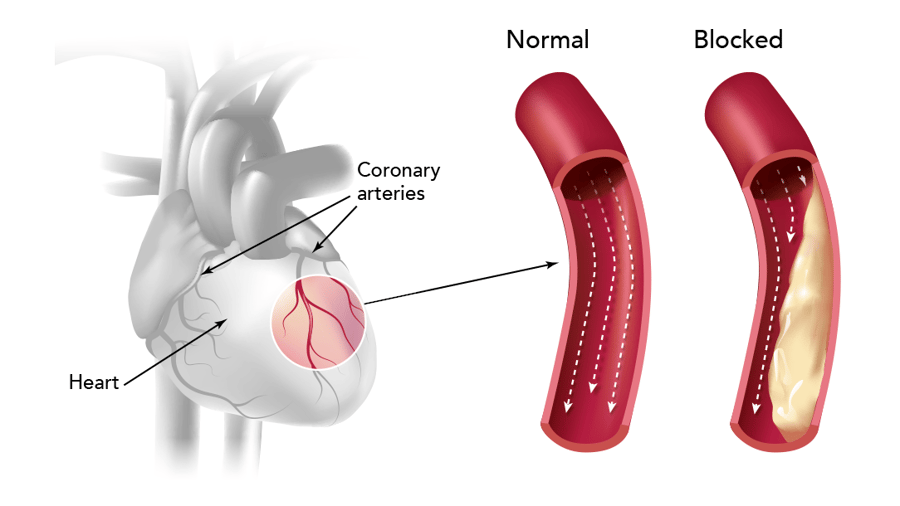
Understanding Coronary Artery Blockage
Coronary artery blockage, caused by the buildup of plaque inside the coronary arteries, restricts blood flow to the heart muscle and increases the risk of heart attacks. While reversing this blockage completely through exercise alone is rare, targeted physical activity plays an essential role in managing and stabilizing the disease, preventing progression, and improving overall cardiovascular health.
Stabilization and Prevention of Progression
The primary goal of exercise in coronary artery disease management is to stabilize existing plaque and prevent further worsening. Regular aerobic exercise enhances blood circulation, reduces inflammation, lowers blood pressure, and improves cholesterol levels. These effects help keep existing plaques from rupturing or enlarging, which diminishes acute cardiac event risks. Exercise also supports better heart muscle oxygenation, enhancing functioning despite partial blockages.
Collateral Vessel Growth: The Natural Bypass
One of the remarkable benefits of consistent exercise is the promotion of collateral vessel growth. Collateral vessels are small, natural bypass pathways that develop around blocked arteries, providing alternate routes for blood to reach the heart muscle. This natural bypass can significantly improve symptoms such as chest pain (angina) and increase exercise tolerance, even when some arteries remain narrowed. Exercise stimulates this vascular remodeling by increasing shear stress on vessel walls, triggering growth factors that expand these secondary arteries.
Modest Plaque Regression Through Exercise
Although exercise is not a magic cure for clearing artery blockages, scientific studies show it can contribute to modest regression of atherosclerotic plaques when combined with lifestyle improvements such as a heart-healthy diet and medication adherence. This regression occurs slowly over months and years, emphasizing consistency. Exercise promotes healthier cholesterol profiles by increasing HDL (good cholesterol) and decreasing LDL (bad cholesterol) and triglycerides, which collectively affect plaque stability and potential reduction.
Important Caveats on Exercise Intensity
While exercise is beneficial, intensity and safety matter greatly, especially for individuals with coronary artery disease. Low to moderate intensity aerobic activities—such as walking, cycling, swimming, or light jogging—are typically recommended. High-intensity or sudden strenuous exercise might provoke cardiac events in vulnerable patients if not supervised or inadequately conditioned. It is crucial to consult a cardiologist or cardiac rehabilitation professional to develop a personalized exercise plan tailored to individual risks and fitness levels.
Benefits Beyond the Heart
Exercise not only improves coronary artery health but also reduces overall cardiovascular risk by managing weight, diabetes, stress, and blood pressure. It enhances endothelial function (the health of blood vessel lining), lowers systemic inflammation, and improves autonomic nervous system balance. These combined benefits contribute to a longer, healthier life with fewer cardiac complications.
Integrating Exercise with Medical Treatments
Exercise should complement, not replace, medical therapy for coronary artery disease. Medication, dietary changes, smoking cessation, and sometimes interventions like stenting or bypass surgery remain vital components of comprehensive care. Patients should engage their healthcare providers to safely integrate exercise with these treatments for optimal outcomes.
Practical Recommendations for Exercise
Commit to at least 150 minutes per week of moderate-intensity aerobic exercise, spread over most days.
Include activities that raise the heart rate without causing severe discomfort or chest pain.
Incorporate warm-up and cool-down periods to ease cardiovascular stress.
Monitor symptoms during activity and stop if you experience chest pain, dizziness, or undue shortness of breath.
Participate in supervised cardiac rehabilitation programs if recommended, which provide structured, safe exercise environments with professional oversight.
Key Takeaways
While exercise cannot typically reverse coronary artery blockage outright, it crucially stabilizes plaque, promotes beneficial collateral circulation, and can modestly reduce plaque burden over time. Furthermore, exercise improves overall heart function and reduces the risk of progression and complications. Safe, consistent, and medically guided physical activity is a cornerstone of effective coronary artery disease management.