5 Common Symptoms of Coronary Artery Disease You Shouldn't Ignore
Understanding Coronary Artery Disease
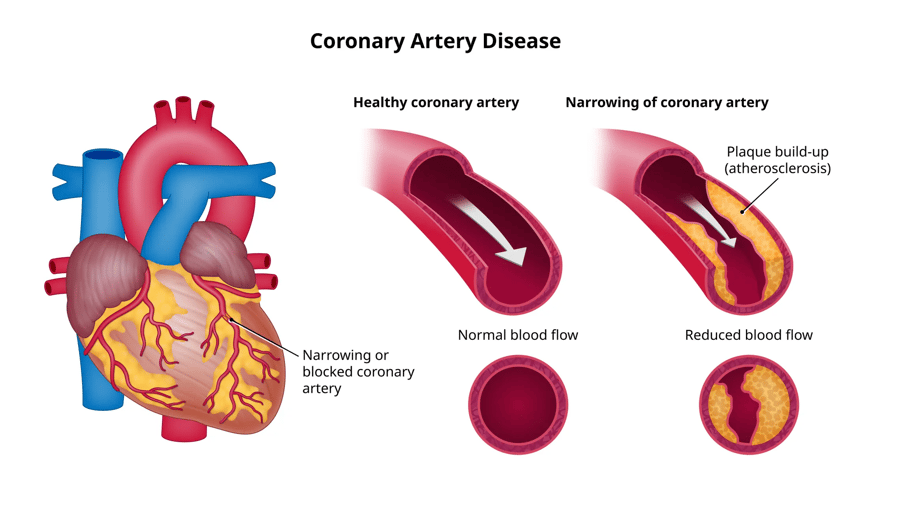
Coronary artery disease (CAD) is a condition where the arteries supplying blood to the heart become narrowed or blocked by plaque buildup. This limits oxygen-rich blood flow to the heart muscle, which can lead to serious complications like heart attacks. Recognizing the early symptoms of CAD is crucial for timely medical care and prevention of permanent heart damage.
Chest Pain or Discomfort (Angina)
One of the most common and telling symptoms of coronary artery disease is chest pain or discomfort, medically known as angina. This pain often feels like pressure, squeezing, fullness, or aching in the center of the chest. It usually occurs with physical activity or emotional stress and typically eases with rest or medication. Persistent or severe chest pain is a warning sign that should never be ignored and requires urgent medical evaluation.
Shortness of Breath (Dyspnea)
Shortness of breath, or dyspnea, can occur when the heart cannot pump enough blood to meet the body's needs, leading to fluid buildup in the lungs. People with CAD may notice breathlessness during exertion or even at rest in advanced cases. This symptom indicates that the heart is under strain and can be a sign of heart failure linked to coronary artery disease progression.
Pain Radiating to Other Areas
In CAD, pain may not be limited to the chest; it can radiate to the shoulders, arms, neck, jaw, or back. This spreading pain pattern is due to shared nerve pathways and is often mistaken for other conditions, delaying crucial diagnosis. Recognizing this symptom along with chest discomfort can help distinguish coronary artery disease from less serious causes.
Dizziness, Lightheadedness, or Fainting (Syncope)
Dizziness or fainting episodes occur when the heart fails to maintain adequate blood flow to the brain. These can be signs of irregular heart rhythms or severe blockages in coronary arteries. Any unexplained loss of consciousness or frequent lightheadedness deserves prompt medical attention to evaluate heart function and prevent potentially fatal events.
Extreme, Unexplained Fatigue or Nausea/Cold Sweats
Unusual tiredness, nausea, or cold sweats, especially when combined with other symptoms, may indicate reduced heart function or an ongoing heart attack. Such symptoms are more common in women but can affect anyone with coronary artery disease. Recognizing these subtle signs can save lives by promoting earlier intervention.
Taking Action and When to Seek Help
If any of these symptoms appear, it is critical to consult a healthcare provider immediately. Early diagnosis typically involves coronary angiography, electrocardiograms, or stress testing to assess artery health. Treatment options range from lifestyle changes and medications to invasive procedures like angioplasty or bypass surgery, designed to restore blood flow and reduce risks.
Prevention and Lifestyle
The best defense against coronary artery disease is prevention. This includes maintaining a heart-healthy diet, regular exercise, quitting smoking, managing stress, and controlling risk factors such as high cholesterol, high blood pressure, and diabetes. Staying vigilant about symptoms and having regular heart check-ups can help detect problems early.
Summary and Support
Coronary artery disease symptoms vary, but the five key signs to watch for are chest pain, shortness of breath, radiating pain, dizziness or fainting, and unexplained fatigue or cold sweats. Timely recognition and medical consultation can significantly improve outcomes. For support, talk to your healthcare provider about risk assessment and personalized prevention plans.