A 14-Day Tanzania Safari and Zanzibar Escape: Wildlife, Culture, and Island Bliss
Itinerary Overview: From Safari to Paradise
Embarking on a 14-day journey through Tanzania and Zanzibar offers a seamless blend of adventure, culture, and relaxation. The itinerary typically begins with several days exploring the renowned safari parks of northern Tanzania—such as the Serengeti, Ngorongoro Crater, and Tarangire—before transitioning to the spice-scented shores of Zanzibar for a tranquil beach escape.
The first week is devoted to wildlife-rich game drives, immersive cultural experiences, and breathtaking landscapes. Days are spent tracking the Big Five across the savanna, while evenings bring opportunities to engage with local tribes. The second week shifts gears: after a short flight from Arusha or Dar es Salaam, you arrive in Zanzibar, where turquoise waters and white-sand beaches await. Here, you can unwind, explore historic Stone Town, and soak in the island’s vibrant Swahili culture.
Wildlife Wonders: A Safari to Remember
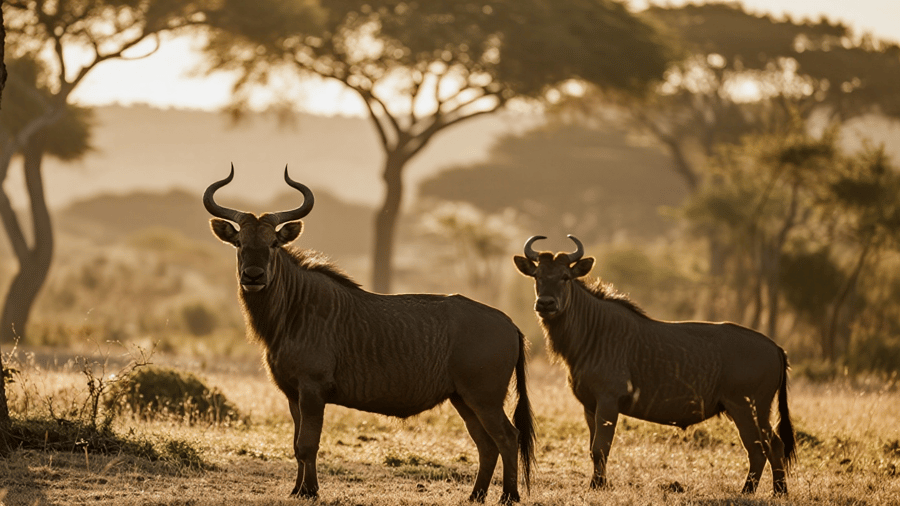
Tanzania’s national parks are legendary for their biodiversity. The Serengeti is world-famous for the annual Great Migration, where millions of wildebeest and zebras thunder across the plains, pursued by predators. Even outside migration season, the Serengeti teems with lions, leopards, elephants, giraffes, and countless antelope species. The Ngorongoro Crater—a UNESCO World Heritage Site—offers a unique ecosystem within its caldera, supporting dense populations of wildlife including rhinos, hippos, and flamingos.
Tarangire National Park is known for its immense baobab trees and large herds of elephants, while Lake Manyara dazzles with its tree-climbing lions and flocks of pink flamingos. Game drives typically occur early in the morning and late in the afternoon, maximizing your chances of spotting elusive animals during their most active periods.
Guided by expert rangers, you’ll learn about animal behaviors, migratory patterns, and the delicate balance of these ecosystems. Night drives and walking safaris may also be available, offering a different perspective on the bush and its nocturnal inhabitants.
Cultural Encounters: Engaging with Local Communities
Beyond wildlife, Tanzania’s cultural tapestry is a vital part of the safari experience. Many itineraries include visits to Maasai villages, where travelers are welcomed with traditional dances, music, and storytelling. The Maasai, known for their striking red shukas and intricate beadwork, share insights into their semi-nomadic lifestyle, cattle herding traditions, and spiritual beliefs. Participating in a Maasai jumping dance or learning about their customs creates lasting memories and fosters cross-cultural understanding.
Some tours also include immersive experiences with the Hadzabe, one of the last remaining hunter-gatherer tribes in East Africa. A visit may involve observing their foraging techniques, hunting with bows and arrows, and learning about their unique click language. Such encounters provide a rare glimpse into ancient traditions and a way of life deeply connected to the land.
In addition to the Maasai and Hadzabe, travelers may meet other indigenous groups, such as the Datoga, each offering a distinct perspective on Tanzania’s rich cultural mosaic. These visits support local economies and foster sustainable tourism, ensuring that communities benefit directly from your presence.
Zanzibar: A Slice of Paradise
After days on the savanna, Zanzibar offers a dramatic change of pace. This Indian Ocean archipelago is famed for its powdery beaches, coral reefs, and aromatic spice plantations. Stone Town, a UNESCO-listed city, invites you to wander its labyrinthine alleys, where Swahili, Arab, Persian, and European influences intermingle in architecture, cuisine, and daily life.
Relaxation is central to the Zanzibar experience. Spend your days snorkeling or diving among vibrant reefs, sailing on a traditional dhow, or simply unwinding on the beach. Spice tours reveal the island’s legacy as a major producer of cloves, nutmeg, and cinnamon, while visits to Jozani Forest introduce you to the rare red colobus monkey.
For those seeking adventure, options abound: kite surfing, deep-sea fishing, and dolphin safaris are all available. Evenings are best spent sampling local seafood and enjoying sunset views over the Indian Ocean.
Practical Tips for a Smooth Journey
1. Travel Logistics: Most international flights arrive in Kilimanjaro International Airport (JRO) or Julius Nyerere International Airport (DAR). Safari tours often include all ground transportation, park fees, and internal flights to Zanzibar.
2. Health & Safety: Consult your healthcare provider about recommended vaccinations (such as yellow fever and hepatitis A/B) and malaria prophylaxis. Bring insect repellent and sun protection, as both the bush and the coast can be hot and sunny.
3. Packing: Lightweight, neutral-colored clothing is ideal for safaris. Include a wide-brimmed hat, sunglasses, comfortable walking shoes, and a swimsuit for Zanzibar. Evenings can be cool, so pack a light jacket.
4. Money: The Tanzanian shilling (TZS) is the local currency, but US dollars are widely accepted. ATMs are available in major towns. Carry small denominations for tips and local purchases.
5. Responsible Tourism: Always ask permission before photographing people. Support local artisans by purchasing crafts directly from communities. Choose tour operators who prioritize ethical wildlife viewing and community engagement.
6. Visas: Most travelers require a visa to enter Tanzania, which can often be obtained online or on arrival. Double-check current requirements before departure.
7. Connectivity: While many lodges offer Wi-Fi, connections can be slow or intermittent. Embrace the opportunity to disconnect and immerse yourself in your surroundings.
Alternative Approaches and Customization
Travelers may wish to tailor their 14-day adventure based on personal interests. Birdwatchers can focus on Lake Manyara or Arusha National Park, while photographers might prioritize the Great Migration season in the Serengeti. Families may opt for private guides and child-friendly lodges, while honeymooners can indulge in luxury tented camps and romantic beachfront villas.
For those with more time, consider extending your stay to include Mount Kilimanjaro trekking or exploring Tanzania’s southern parks, such as Selous Game Reserve and Ruaha National Park, which offer more remote and less-visited safari experiences.
Potential Challenges and Solutions
Weather: Tanzania’s weather varies by region and season. The best time for safaris is the dry season (June to October), while Zanzibar is pleasant year-round but can be humid. Pack accordingly and consult your tour operator about seasonal variations.
Travel Fatigue: Long drives between parks can be tiring. Opt for itineraries that include internal flights or break up journeys with scenic stops. In Zanzibar, prioritize rest and relaxation after the active safari week.
Health Concerns: Minimize the risk of illness by drinking bottled water, eating well-cooked food, and following local health advice. Bring a basic medical kit for minor ailments.
Key Takeaways
A 14-day Tanzania safari and Zanzibar escape is a journey of contrasts—thrilling wildlife encounters, profound cultural exchanges, and blissful island relaxation. With careful planning, ethical choices, and an open mind, travelers can experience the best of East Africa in a single, unforgettable itinerary.