Understanding Crohn’s Disease: Symptoms, Treatments, and Daily Management
What Is Crohn’s Disease?
Crohn’s disease is part of a group of conditions called inflammatory bowel diseases (IBD). It occurs when the body’s immune system mistakenly attacks healthy digestive tissue, causing inflammation, ulcers, and scarring. Unlike other digestive conditions, Crohn’s can affect multiple areas of the digestive tract at once and often develops in patches.
Commonly Affected Areas: Small intestine, colon, or both
Chronic Nature: Symptoms often flare and remit over time
Unknown Exact Cause: Likely a combination of genetic, environmental, and immune system factors
Recognizing the Symptoms
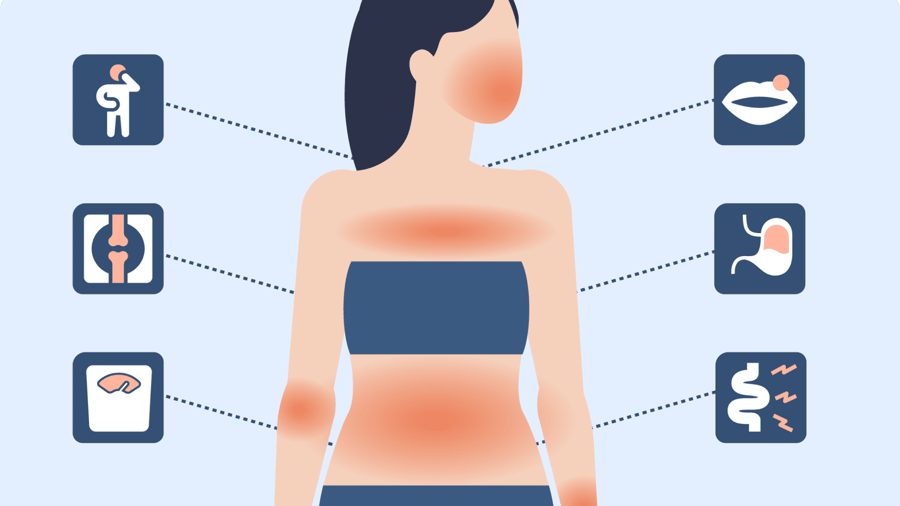
Symptoms can vary depending on the severity and location of inflammation. Common signs include:
Digestive Issues: Diarrhea, abdominal pain, cramping, and bloating
Weight Changes: Unintentional weight loss due to malabsorption
Fatigue: Chronic tiredness caused by inflammation and nutrient deficiencies
Blood in Stool: Can occur with intestinal ulcers or bleeding
Extraintestinal Symptoms: Joint pain, skin rashes, or eye inflammation in some cases
Since symptoms can mimic other conditions, early consultation with a healthcare provider is critical for accurate diagnosis and management.
Diagnosis and Medical Evaluation
Diagnosing Crohn’s disease usually involves a combination of tests to assess inflammation, rule out other conditions, and determine disease location and severity:
Blood Tests: Detect anemia, inflammation markers, and immune system activity
Stool Tests: Identify infections or digestive tract inflammation
Endoscopy/Colonoscopy: Visualize intestinal lining and take biopsies
Imaging: MRI, CT scans, or intestinal ultrasound to detect complications
Early diagnosis allows for timely treatment and reduces the risk of complications.
Treatment Options
There is currently no cure for Crohn’s disease, but several treatments can help manage symptoms and control inflammation:
Medications Anti-inflammatory drugs such as corticosteroids Immunosuppressants to regulate the immune response Biologic therapies targeting specific inflammatory proteins Antibiotics for infections or complications
Diet and Nutrition Adjusting diet to reduce trigger foods Nutritional supplements to address deficiencies Working with a dietitian to maintain a balanced, inflammation-friendly diet
Surgery Required in cases of bowel obstruction, severe ulcers, or fistulas Surgical procedures remove affected portions and can relieve symptoms
Lifestyle Adjustments Stress management, exercise, and adequate sleep Smoking cessation, which can worsen disease progression
Daily Management and Coping Strategies
Living with Crohn’s disease involves proactive management to maintain quality of life:
Track Symptoms and Triggers: Keep a daily journal of diet, symptoms, and flare-ups
Regular Medical Checkups: Monitor inflammation and adjust treatment as needed
Support Systems: Join support groups or seek counseling to manage mental health impacts
Emergency Planning: Have a plan for sudden flare-ups or complications
Patients who actively engage in disease management often experience fewer severe episodes and improved well-being.
Potential Complications
Crohn’s disease can lead to complications if not adequately managed:
Strictures or Blockages: Narrowing of the intestine causing pain and digestive issues
Fistulas and Abscesses: Infections that can form tunnels or pockets in the intestinal wall
Malnutrition: Due to poor nutrient absorption
Increased Cancer Risk: Long-term inflammation can elevate colorectal cancer risk
Monitoring, early intervention, and adherence to treatment are essential for minimizing these risks.
Conclusion
Crohn’s disease is a complex, chronic condition that requires comprehensive care. By understanding the disease, recognizing symptoms, and implementing effective treatment and lifestyle strategies, patients can lead fulfilling lives. Collaboration with healthcare providers, support networks, and proactive management ensures better control of symptoms and reduced risk of complications. Knowledge, vigilance, and the right medical support are key to living well with Crohn’s disease.