Enhancing Conversation Clarity with Hearing Aids for Seniors
Understanding Hearing Aid Options for Seniors
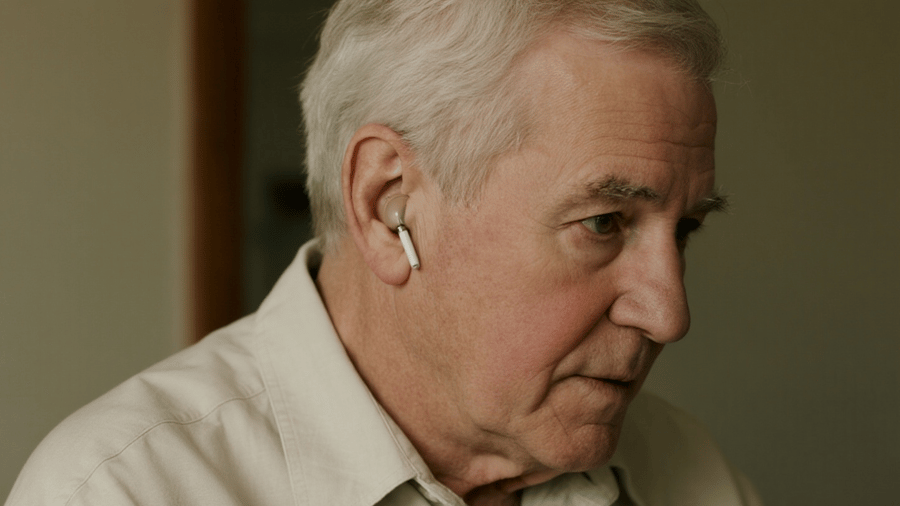
For seniors, hearing aids are vital devices that significantly enhance conversation clarity and overall quality of life. Various types are tailored to different levels of hearing loss, lifestyle needs, and preferences. These include behind-the-ear (BTE) models, in-the-ear (ITE) styles, and completely-in-canal (CIC) designs. Each offers unique advantages in terms of comfort, discretion, and sound quality, making it essential to match the device to individual hearing profiles and daily activities.
Best Hearing Aids for Seniors
The best hearing aids for seniors combine advanced technology with user-friendly features. Digital hearing aids with noise reduction, directional microphones, and Bluetooth connectivity are particularly effective for enhancing speech understanding in noisy environments. Models from leading manufacturers often include rechargeable batteries and smartphone apps for personalized adjustments, ensuring convenience along with clarity.
How to Access Hearing Aids for Free
Many seniors may qualify for free or reduced-cost hearing aids through government programs, nonprofits, or insurance plans. Programs like the Veterans Affairs (VA) for eligible veterans provide hearing devices at no cost. Additionally, local community health initiatives and charitable organizations sometimes offer hearing aid assistance. It is recommended to consult local health departments or organizations specializing in senior care to explore specific eligibility and application procedures.
Best Hearing Aids for Severe Hearing Loss
When hearing loss is severe, specialized hearing aids with higher amplification power are necessary. These devices deliver stronger sound signals without distortion, accommodating profound hearing impairments. Features such as enhanced feedback cancellation and robust battery life become critical. Audiologists play a key role in fitting these devices and fine-tuning settings to optimize performance for severe cases.
The Most Powerful Hearing Aids Available
Powerful hearing aids today use sophisticated digital signal processing to provide clear sound across a wide dynamic range. They often include multiple frequency channels and adaptive algorithms that automatically adjust based on the sound environment. Some models also integrate tinnitus masking to assist seniors who experience concurrent ringing in the ears, further improving listening comfort and clarity.
Does Medicare Cover Hearing Aids?
Traditional Medicare generally does not cover hearing aids, creating a barrier for many seniors in affording this essential technology. However, some Medicare Advantage plans and supplemental insurance may offer partial coverage or discounts. Seniors should verify their individual plan benefits and consider consulting with a Medicare specialist to understand available options thoroughly.
Factors to Consider When Choosing a Device
Choosing the right hearing aid involves factors beyond amplification power. Comfort, ease of use, maintenance requirements, and cosmetic preferences are critical for consistent wear. Seniors should also consider the availability of professional follow-up care, warranty terms, and compatibility with other assistive devices to ensure long-term satisfaction and usability.
Financial Assistance and Insurance Options
Beyond Medicare, various financial assistance routes exist. Some private insurance policies cover hearing aid costs partially. Nonprofit foundations provide grants for hearing health care, and payment plans or discounts might be available directly through hearing aid providers. Comparing these options can help seniors access hearing aids more affordably while receiving quality devices and support.
Latest Innovations in Hearing Aid Technology
Advances in hearing aid technology continuously improve clarity and user experience. Features such as artificial intelligence-driven sound enhancement, real-time language translation, and smartphone integration enable seniors to communicate more effectively. Wireless streaming from televisions and phones offers seamless audio input, making conversations clearer and more enjoyable.
The Long-Term Benefits of Hearing Correction
Using hearing aids provides lasting benefits beyond improved conversation clarity. Correcting hearing loss helps maintain cognitive function, reduces feelings of isolation, and supports emotional well-being. Early adoption of hearing aids can slow cognitive decline associated with untreated hearing loss, contributing to a healthier and more socially connected life for seniors.