Detecting Hidden Cameras: A Comprehensive Guide
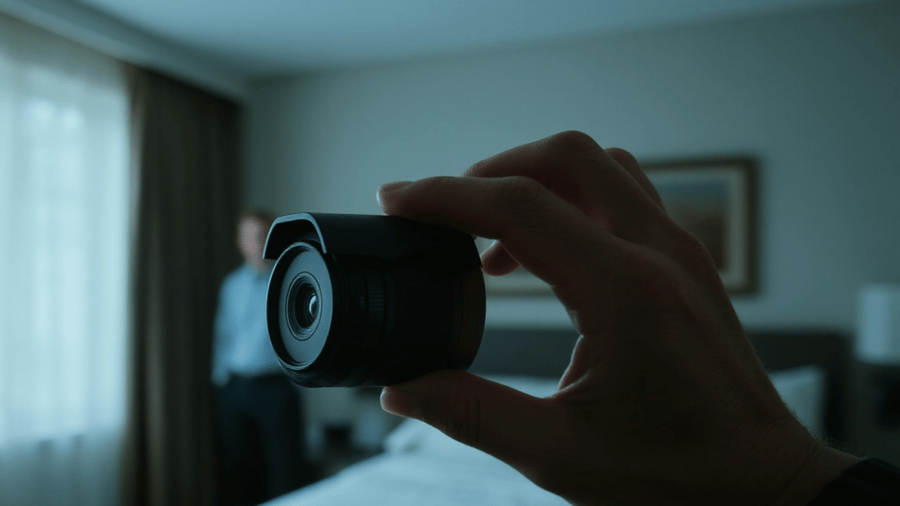
Introduction to Hidden Camera Detection
In today’s digital age, privacy is a growing concern for many. With the increasing availability of miniaturized technology, hidden cameras have become more prevalent, posing potential threats to personal and professional privacy. Whether in hotel rooms, rental accommodations, or even workplaces, the risk of being secretly recorded is real and unsettling. This guide aims to provide you with effective techniques to detect hidden cameras, so you can protect your personal space and privacy.
Understanding Hidden Camera Technology
Hidden cameras come in various shapes and sizes, often designed to blend seamlessly into everyday objects. They can be embedded in clocks, smoke detectors, air purifiers, or even picture frames. Understanding the technology behind these devices is crucial in detecting them. Most hidden cameras are wireless, transmitting video signals to a receiver or recording onto internal storage. They may also be equipped with infrared LEDs for night vision capabilities. Being aware of these features can help you identify potential hidden cameras in your surroundings.
Visual Inspection Techniques
One of the simplest methods to detect hidden cameras is through a thorough visual inspection. Start by examining your environment for any suspicious or out-of-place items. Look for objects with unusual wires or lenses that could indicate a camera. Pay close attention to small holes or gaps in walls, ceilings, and furniture where a camera lens might be hidden. Additionally, check for blinking lights or reflective surfaces, as these could be signs of a hidden camera. By systematically inspecting your surroundings, you can often uncover hidden devices with ease.
Using Technology to Detect Cameras
Technology can be your ally in detecting hidden cameras. There are several apps available for smartphones that can help identify hidden devices by scanning for infrared signals or analyzing Wi-Fi networks. These apps work by detecting the infrared light emitted by camera lenses or identifying unusual network activity that might indicate a connected camera. Additionally, using a portable radio frequency (RF) detector can help locate wireless cameras by identifying the frequencies they operate on. By leveraging these technological tools, you can enhance your ability to detect hidden cameras effectively.
Professional Services and Advanced Techniques
For those who require a more thorough investigation, professional services specializing in counter-surveillance can offer advanced detection techniques. These experts use sophisticated equipment such as spectrum analyzers and non-linear junction detectors to identify hidden cameras that may not be easily detectable by standard means. While this option may be more costly, it provides a higher level of assurance, particularly in sensitive environments or situations where privacy is of utmost importance. Understanding when to seek professional assistance can be crucial in ensuring comprehensive protection against surveillance threats.
Conclusion: Safeguarding Your Privacy
Detecting hidden cameras is an essential skill in today’s world, where privacy can often be compromised by advanced surveillance technology. By understanding the technology behind hidden cameras, employing visual inspection techniques, using technology-based tools, and knowing when to seek professional help, you can effectively protect your personal space. Remember, vigilance is key to maintaining your privacy and ensuring peace of mind in any environment.