Hair Transplant: A Complete Guide to Restoring Confidence and Hair
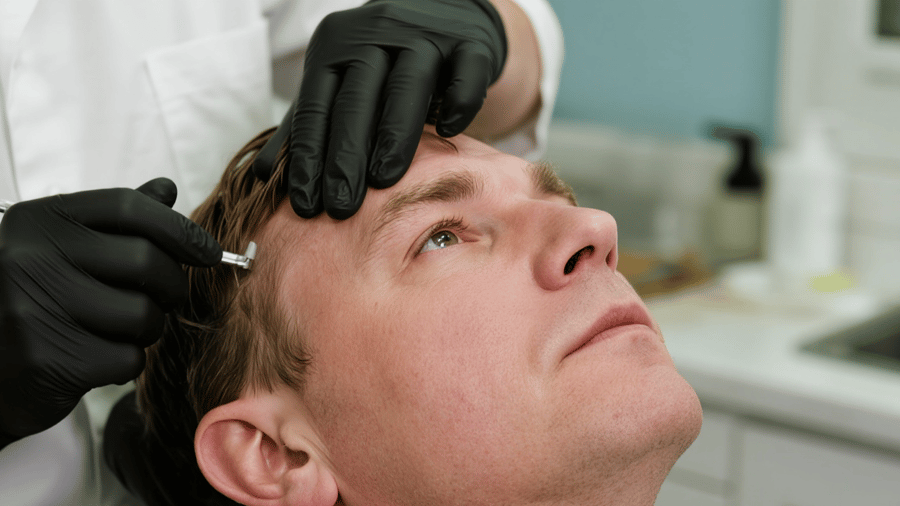
This guide explores the different hair transplant methods, what to expect during and after the procedure, pricing considerations, and factors to keep in mind when choosing a clinic or surgeon.
Understanding Hair Transplant Procedures
Hair transplant surgery involves moving hair follicles from a donor area—typically the back or sides of the scalp—to the thinning or bald areas. There are two primary techniques:
FUE (Follicular Unit Extraction) FUE involves extracting individual hair follicles and implanting them in the recipient area. This method is minimally invasive, leaves tiny puncture marks instead of a linear scar, and generally has a quicker recovery time.
FUT (Follicular Unit Transplantation) FUT involves removing a strip of scalp from the donor area, from which hair follicles are then dissected and transplanted. This method allows for the transplantation of a larger number of grafts in a single session but leaves a linear scar at the donor site.
Modern clinics may also offer DHI (Direct Hair Implantation), a variation of FUE, where follicles are implanted directly using specialized pens for more precise placement.
Who Can Benefit from a Hair Transplant?
Hair transplants are suitable for individuals experiencing various types of hair loss:
Male pattern baldness: The most common cause of hair thinning and receding hairlines.
Female hair thinning: Often caused by hormonal changes, stress, or genetics.
Scarring alopecia: Hair loss resulting from injury or previous surgeries.
Eyebrow or facial hair restoration: Procedures are available for eyebrows, beard, and sideburns.
However, candidates must have a sufficient number of healthy hair follicles in the donor area, and realistic expectations regarding density and coverage are crucial.
What to Expect During a Hair Transplant
A hair transplant is usually an outpatient procedure performed under local anesthesia. Typical steps include:
Consultation and Assessment: Surgeons evaluate hair loss patterns, donor area quality, and discuss goals with the patient.
Hair Extraction: Depending on the chosen method (FUE or FUT), hair follicles are removed from the donor area.
Recipient Area Preparation: Tiny incisions are made in the thinning areas for graft placement.
Implantation: Hair follicles are carefully placed to mimic natural hair growth patterns.
Post-Procedure Care: Patients receive instructions for scalp care, washing, and activity limitations.
Recovery time varies but most patients return to normal activities within a few days to a week, while full results typically become visible over 6–12 months as transplanted hair grows.
Cost Considerations
Hair transplant costs can vary depending on the technique, clinic reputation, number of grafts, and geographical location. Patients often explore both local and international clinics to compare prices. Key points include:
Local Clinics: Prices are generally higher but may offer personalized consultations and aftercare.
Medical Tourism Options: Some individuals consider international clinics where costs may be lower, often with all-inclusive packages including travel and accommodation.
Per Graft Pricing: Many clinics charge based on the number of grafts transplanted, typically ranging from 1,000 to 5,000 grafts per session.
Payment Options: Clinics may offer installment plans, financing, or bundled packages to make procedures more accessible.
It is important not to compromise quality for cost, as hair transplants are medical procedures where skill and experience significantly affect results.
Choosing the Right Clinic and Surgeon
Selecting a reputable clinic and qualified surgeon is critical for safety and optimal outcomes. Factors to consider:
Experience and Credentials: Look for board-certified surgeons with specialized training in hair restoration.
Before and After Results: Examine case studies and patient galleries to assess realistic outcomes.
Patient Reviews: Verified reviews can provide insights into clinic professionalism, staff support, and results.
Consultation Quality: A thorough consultation indicates a patient-focused approach and realistic expectation setting.
Post-Operative Care: Adequate follow-up care is essential for recovery and long-term success.
Risks and Considerations
While hair transplants are generally safe, it’s important to understand potential risks:
Mild pain, swelling, or redness at the donor and recipient sites.
Temporary shock loss, where existing hair sheds before regrowth.
Infection or poor graft survival if proper care is not followed.
Unsatisfactory aesthetic results if hairline design or density planning is inadequate.
Consulting multiple clinics and asking detailed questions about techniques, success rates, and follow-up care can help mitigate these risks.
Additional Tips for Prospective Patients
Do Your Research: Compare clinics, methods, and patient reviews.
Ask About Technology: Modern tools like robotic FUE or DHI pens can improve precision and reduce recovery time.
Plan for Recovery: Avoid strenuous activity immediately after surgery and follow post-care instructions closely.
Set Realistic Expectations: Full hair growth takes months, and natural density may vary depending on donor hair availability.
Conclusion
A hair transplant can be a life-changing procedure, restoring hair, confidence, and self-esteem. By understanding the different techniques, evaluating costs, researching clinics, and considering potential risks, individuals can make informed decisions about their hair restoration journey. With proper planning and realistic expectations, hair transplants offer a safe and effective way to address hair loss for both men and women.