ATS Systems: Streamlining Recruitment for Modern Businesses
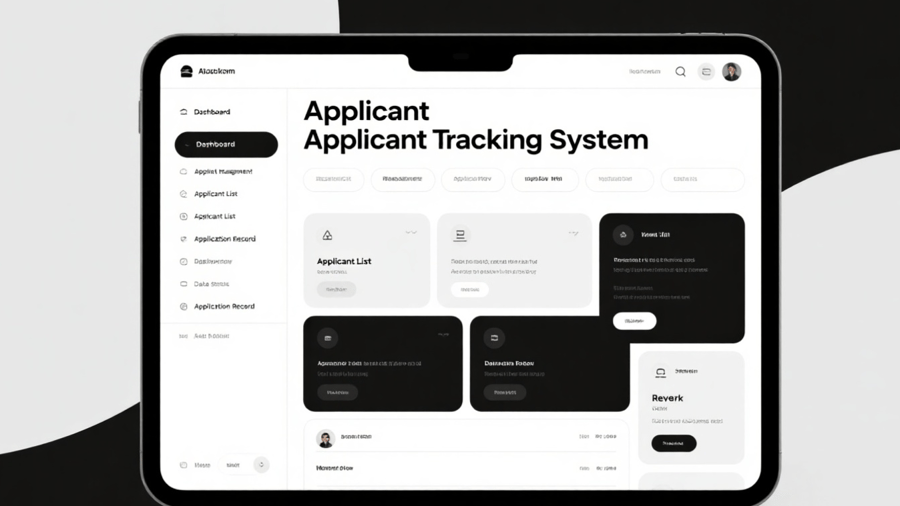
Understanding ATS Systems
An ATS system is a software solution designed to simplify the recruitment process. It allows organizations to:
Collect and organize resumes and applications
Automate candidate screening based on predefined criteria
Schedule and track interviews
Communicate with candidates efficiently
Generate reports on recruitment metrics
With a centralized system, HR teams gain full visibility of the hiring pipeline, reducing administrative burden and minimizing the risk of overlooking qualified candidates.
Key Benefits of Using an ATS System
Efficiency and Time-Saving Manual resume screening and candidate communication are labor-intensive. ATS systems automate repetitive tasks, freeing HR professionals to focus on strategic aspects of recruitment.
Improved Candidate Experience Candidates benefit from seamless application processes, timely feedback, and automated communication, enhancing the employer’s brand and attracting top talent.
Data-Driven Hiring ATS platforms generate insights on recruitment metrics, such as time-to-hire, source effectiveness, and diversity metrics. These analytics help HR teams optimize hiring strategies and make informed decisions.
Compliance and Record-Keeping Maintaining proper documentation is crucial for legal compliance. ATS systems ensure all candidate data is stored securely and audit-ready, helping organizations comply with data protection regulations.
Evaluating Different ATS Systems
Selecting the right ATS software requires careful consideration. Key factors include:
Functionality: Resume parsing, interview scheduling, candidate communication, reporting, and integration with HRIS or payroll systems.
Ease of Use: An intuitive interface ensures adoption by HR teams and hiring managers.
Scalability: The system should accommodate future growth and larger recruitment volumes.
Integration: Compatibility with job boards, LinkedIn, email platforms, and internal HR software.
Cost: Pricing models vary, including subscription-based, per-user, or per-job options.
Many organizations also rely on independent review sites and product comparisons to evaluate different ATS providers and select the most suitable solution.
Free Trials and Demos
Before committing to a purchase, businesses often request free trials or demonstrations of ATS systems. This allows HR teams to:
Explore user interface and navigation
Test candidate tracking and communication features
Evaluate reporting and analytics tools
Assess integration capabilities with existing software
Free trials and demos help organizations make informed decisions and ensure the software meets operational requirements before implementation.
Implementing an ATS System
Successful implementation goes beyond software installation. Key considerations include:
Data Migration: Transferring existing candidate data accurately and securely.
Employee Training: Ensuring HR teams and hiring managers can effectively use the system.
System Customization: Tailoring workflows, templates, and approval processes to company needs.
Integration: Connecting ATS with payroll, HRIS, and third-party recruitment tools.
Security and Compliance: Protecting sensitive candidate information and adhering to GDPR or other relevant regulations.
A structured implementation plan ensures a smooth transition and maximizes the return on investment.
Advanced Features and Trends
Modern ATS systems increasingly incorporate advanced technologies to enhance recruitment efficiency:
Artificial Intelligence: AI-powered resume screening and predictive analytics improve candidate matching and reduce bias.
Automation: Automated interview scheduling, follow-up emails, and workflow management save time.
Mobile Accessibility: Mobile-friendly interfaces allow recruiters and candidates to interact seamlessly.
Analytics: Insights into recruitment funnel performance, diversity, and source effectiveness inform strategic decision-making.
These features transform ATS systems from simple tracking tools into comprehensive recruitment management platforms.
Choosing the Right ATS Provider
When selecting an ATS provider, businesses should evaluate:
Reputation and client testimonials
Customer support and training resources
Pricing transparency and contract flexibility
Compliance with data protection standards
Innovation and ongoing updates
Investing in the right ATS system can enhance recruitment efficiency, improve candidate satisfaction, and support long-term growth.
Conclusion
An ATS system is more than just a software solution—it is a strategic tool for modern recruitment. By automating processes, providing actionable insights, and improving compliance, ATS systems empower HR teams to focus on what matters most: attracting and retaining the best talent. Whether for a small business or a large enterprise, choosing the right ATS system can transform the recruitment experience for both employers and candidates, ultimately driving organizational success.