Prostate Cancer: What You Need to Know
What is Prostate Cancer?
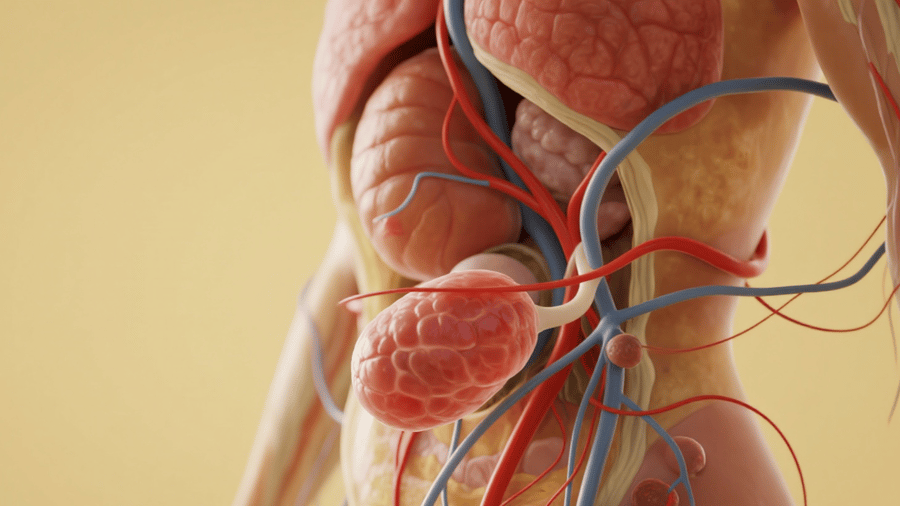
Prostate cancer occurs when cells in the prostate gland begin to grow uncontrollably. The prostate is a small gland located below the bladder that plays a role in producing seminal fluid. Prostate cancer can develop slowly, often without noticeable symptoms in its early stages, which makes regular screening important.
Symptoms and Early Warning Signs
Early prostate cancer may not cause obvious symptoms, but some signs to watch for include:
Frequent urination, especially at night
Difficulty starting or stopping urination
Weak urine flow or interrupted stream
Blood in urine or semen
Pain in the lower back, hips, or pelvis
If any of these symptoms occur, consulting a healthcare professional promptly is critical.
Risk Factors
Several factors can increase the risk of developing prostate cancer:
Age – Men over 50 are at higher risk
Family history – A father or brother with prostate cancer increases risk
Ethnicity – African American men are more likely to develop aggressive forms
Lifestyle – Diets high in red meat or low in fruits and vegetables may contribute
Genetics – Certain inherited gene mutations may increase susceptibility
Understanding these risk factors helps men and their healthcare providers make informed decisions about screening and prevention.
Diagnosis and Screening
Screening is a key step for early detection. Common diagnostic methods include:
PSA (Prostate-Specific Antigen) Blood Test – Measures protein levels associated with prostate activity
Digital Rectal Exam (DRE) – Allows doctors to feel the prostate for abnormalities
Imaging and Biopsy – Used if screening tests indicate potential cancer
Regular check-ups and timely screening, especially for high-risk men, can significantly improve treatment outcomes.
Treatment Options
Treatment depends on the stage, aggressiveness, and overall health of the patient. Options include:
Active Surveillance – Monitoring slow-growing cancers without immediate intervention
Surgery – Prostatectomy to remove the prostate gland
Radiation Therapy – External beam or brachytherapy
Hormone Therapy – Reduces testosterone to slow cancer growth
Chemotherapy and Targeted Therapy – Used for advanced or resistant cancer
Clinical Trials – Access to new treatments under research
Each approach has benefits and risks, and a personalized treatment plan should be developed with a healthcare professional.
Lifestyle, Support, and Recovery
Beyond medical treatment, lifestyle changes can support recovery and overall well-being:
Healthy Diet – Emphasize fruits, vegetables, and whole grains
Regular Exercise – Helps maintain strength and reduce fatigue
Mental Health Support – Counseling, support groups, and family involvement
Follow-up Care – Regular PSA tests and check-ups to monitor progress
Prostate cancer support groups, both online and in-person, provide education and emotional support for patients and their families.
Final Thoughts
Prostate cancer awareness, early detection, and timely treatment can make a significant difference in outcomes. Men, particularly those over 50 or with risk factors, should prioritize regular screenings and consult healthcare professionals if any symptoms arise. Combining medical care with lifestyle adjustments and support resources ensures a comprehensive approach to managing prostate cancer effectively.