Debt Consolidation: Simplify Your Finances and Reduce Stress
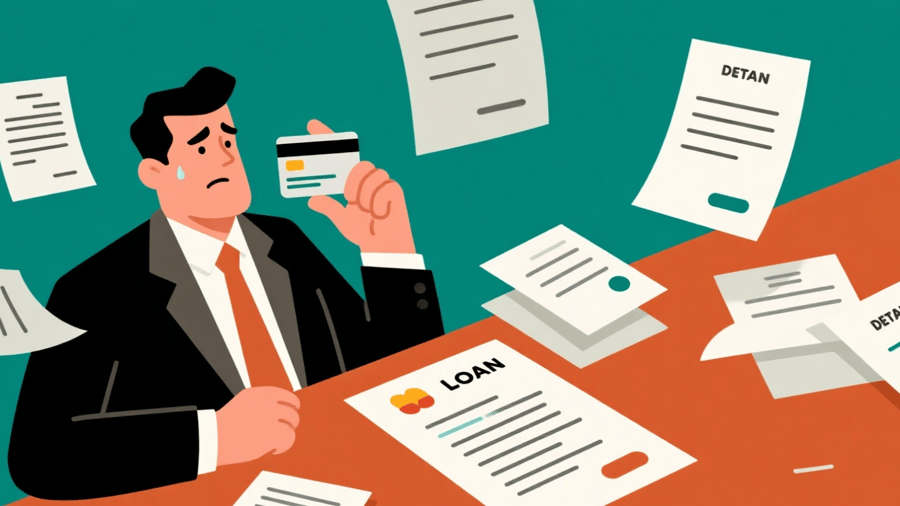
What Is Debt Consolidation?
Debt consolidation is the process of combining multiple debts into one. This approach can make managing your finances easier and reduce the risk of missed payments. Common methods include:
Debt consolidation loans: Personal loans used to pay off existing debts.
Balance transfer credit cards: Transfer balances to a single card with lower or zero interest for a promotional period.
Home equity loans or lines of credit: Using the equity in your home to consolidate high-interest debts.
Debt consolidation is not a one-size-fits-all solution, and the best approach depends on your financial situation, credit score, and goals.
Benefits of Debt Consolidation
Simplified Payments: Instead of juggling multiple bills, you only make one monthly payment.
Lower Interest Rates: Consolidation loans often offer lower rates than credit cards, potentially saving you money.
Improved Credit Management: Consolidating debt can make it easier to stay on track with payments, improving your credit over time.
Reduced Stress: Fewer bills and clearer financial planning can relieve anxiety related to debt.
Debt Consolidation Loans: How They Work
The most common way to consolidate debt is by taking out a debt consolidation loan. Here's how it works:
Application: Apply through a bank, credit union, or online lender. Your credit score will influence loan terms.
Loan Approval: Once approved, the lender pays off your existing debts, leaving you with a single loan.
Repayment: Make consistent monthly payments to the new lender, often at a lower interest rate than your previous debts.
Debt consolidation loans can cover credit cards, personal loans, and other unsecured debts. They typically have fixed interest rates and a set repayment term, providing predictability in your finances.
How to Choose the Right Debt Consolidation Option
Evaluate Your Debts: List all debts, balances, and interest rates.
Compare Loans: Look for the lowest interest rate, favorable terms, and minimal fees.
Check Your Credit Score: Higher scores often qualify for better loan rates.
Consider Alternatives: Balance transfer cards or home equity loans may also be viable options.
Read the Fine Print: Ensure there are no hidden fees or penalties for early repayment.
Tips for Success with Debt Consolidation
Stick to a Budget: Avoid accumulating new debt while repaying your consolidation loan.
Make Timely Payments: On-time payments help improve credit scores and prevent additional fees.
Monitor Your Progress: Track your remaining balance and celebrate milestones to stay motivated.
Seek Professional Advice: Financial advisors or credit counselors can help determine the best strategy.
Conclusion
Debt consolidation can simplify your financial life, reduce interest costs, and help you regain control over your money. For many, debt consolidation loans are the most effective tool, combining multiple debts into one manageable payment. By understanding your options, comparing products, and following a disciplined repayment plan, you can reduce stress and work toward a debt-free future.