Colon Cancer: What You Need to Know About Prevention, Symptoms, and Treatment
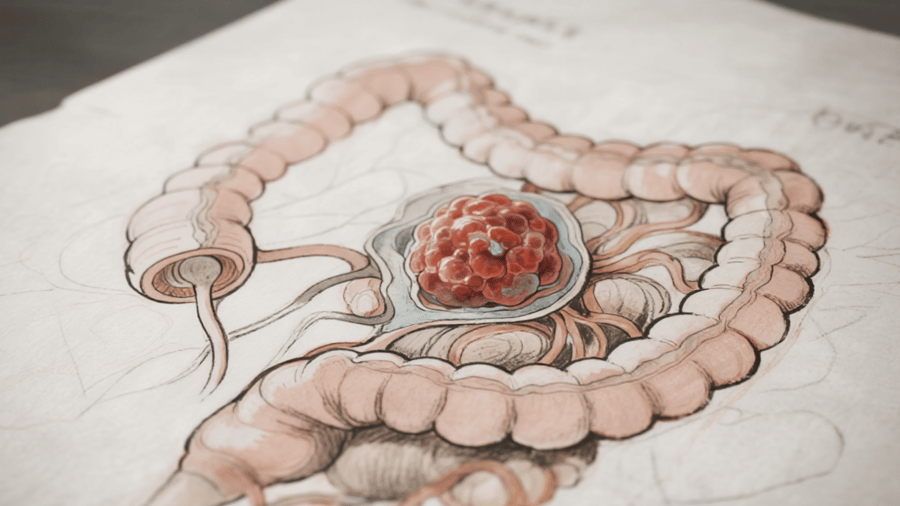
What Causes Colon Cancer?
The exact cause of colon cancer is not always clear, but several factors increase risk:
Age: Most cases occur in people over 50.
Family history: Having a close relative with colon cancer raises the likelihood.
Lifestyle choices: Diets high in red or processed meats, smoking, lack of exercise, and heavy alcohol use all contribute.
Medical conditions: Inflammatory bowel disease and certain genetic syndromes elevate risk.
Warning Signs and Symptoms
Colon cancer often develops silently, which is why screening is critical. However, some symptoms may include:
Persistent changes in bowel habits (constipation, diarrhea, or narrow stools)
Blood in stool or rectal bleeding
Abdominal pain or cramping
Unexplained weight loss
Fatigue and weakness
If you notice these symptoms, consult a healthcare professional as soon as possible.
Importance of Screening
Regular screening is the most effective way to prevent colon cancer. Colonoscopies and stool-based tests can detect precancerous polyps before they develop into cancer. The American Cancer Society recommends starting routine screenings at age 45 for average-risk adults.
Treatment Options
Treatment depends on the stage of cancer and may include:
Surgery to remove cancerous tissue
Chemotherapy and radiation therapy for advanced cases
Targeted therapy or immunotherapy, offering new hope for certain patients
Early diagnosis often means less aggressive treatment and better outcomes.
How to Lower Your Risk
Adopting a healthy lifestyle plays an important role in prevention:
Eat a diet rich in fruits, vegetables, and whole grains
Stay physically active
Limit alcohol consumption and quit smoking
Maintain a healthy weight
Colon Health Support and Supplements
In addition to medical care, many people explore colon health supplements to support digestion and overall well-being. Products containing probiotics, fiber, and antioxidants are popular for promoting gut health, which may indirectly support colon function. While supplements are not a cure or substitute for screening, they can complement a healthy lifestyle. Always discuss with your doctor before starting any supplement program.
Taking Action for Better Health
Colon cancer is a serious disease, but with awareness, regular screening, and proactive lifestyle changes, it is also highly preventable. Whether you are looking for information, scheduling a colonoscopy, or exploring colon health supplements, taking action today can safeguard your health for the future.