Termite Control: Protecting Your Home from Infestation
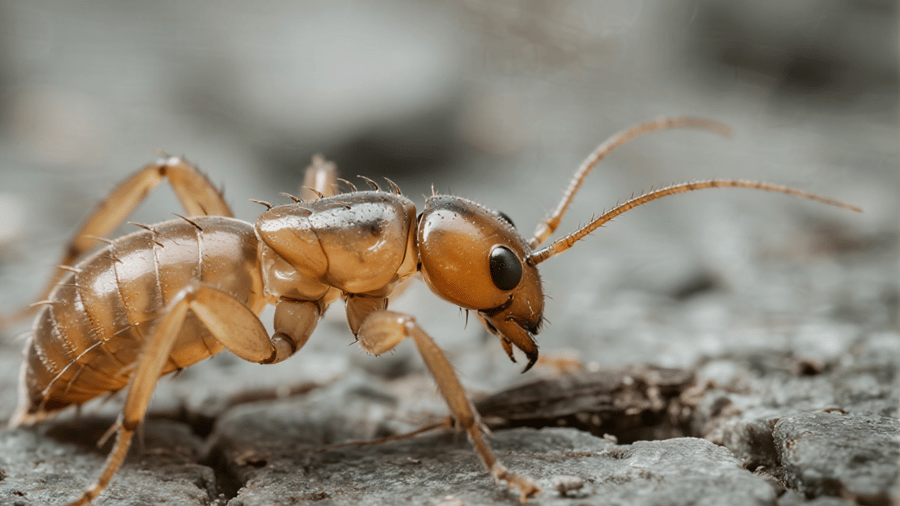
Understanding Termites
Termites are social insects that feed on cellulose, the primary component of wood and other plant-based materials. They live in colonies, which can consist of thousands or even millions of individuals. Infestations typically fall into three main categories:
Subterranean Termites Build colonies in soil and create mud tubes to reach wood. Most destructive due to large colony sizes and rapid wood consumption.
Drywood Termites Live directly inside dry wood structures such as beams, furniture, or flooring. Can remain hidden for years before signs appear.
Dampwood Termites Prefer moist or decaying wood. Less common but can affect homes in areas with high humidity or water damage.
Signs of Termite Infestation
Early detection is key to minimizing damage. Common indicators include:
Mud Tubes: Small tunnels along walls, foundations, or crawl spaces.
Wood Damage: Hollowed or blistered wood that sounds hollow when tapped.
Discarded Wings: Winged termites leave behind shed wings after swarming.
Frass (Droppings): Tiny, wood-colored pellets near wood or furniture.
Sagging Floors or Ceilings: Often a sign of advanced structural compromise.
Risks of Termite Damage
Termites can undermine a home’s structure and result in costly repairs:
Structural Weakness: Continuous wood consumption can damage beams, joists, and supports.
Property Devaluation: Homes with termite histories may face reduced market value.
Safety Hazards: Compromised structural integrity can pose serious safety risks.
Effective Termite Prevention
Preventive measures are crucial to reduce the risk of infestations:
Regular Inspections Schedule professional inspections annually or semi-annually.
Moisture Control Fix leaks and ensure proper drainage to avoid creating damp environments conducive to termites.
Wood Management Keep firewood, lumber, and debris away from the home’s foundation. Use treated wood for structures prone to termite exposure.
Sealing Entry Points Seal cracks and gaps around foundations, doors, and windows to prevent termite access.
Termite Treatment Options
If an infestation is detected, several treatment strategies are available:
Liquid Termiticides: Applied to soil around the foundation to create a barrier against subterranean termites.
Bait Systems: Termite baits attract insects and gradually eliminate the colony.
Wood Treatments: Specialized chemicals or coatings can protect exposed wood.
Fumigation: Used primarily for drywood termite infestations in enclosed structures.
Professional Extermination Services: Certified pest control professionals can assess the infestation and implement a comprehensive plan.
Maintaining Long-Term Protection
Even after treatment, ongoing vigilance is important:
Schedule regular inspections to detect new activity.
Maintain moisture control and proper ventilation.
Replace or repair damaged wood promptly.
Monitor bait stations or other ongoing control systems as recommended by professionals.
Final Thoughts
Termites are silent destroyers that can compromise a home’s structural integrity and lead to significant financial loss. Preventive measures, timely detection, and professional treatment are essential for protecting your investment. By understanding termite behavior, recognizing early signs, and implementing effective control strategies, homeowners can safeguard their property and enjoy peace of mind.