Digital Bank Accounts: A Complete Guide for U.S. Consumers
What Is a Digital Bank Account?
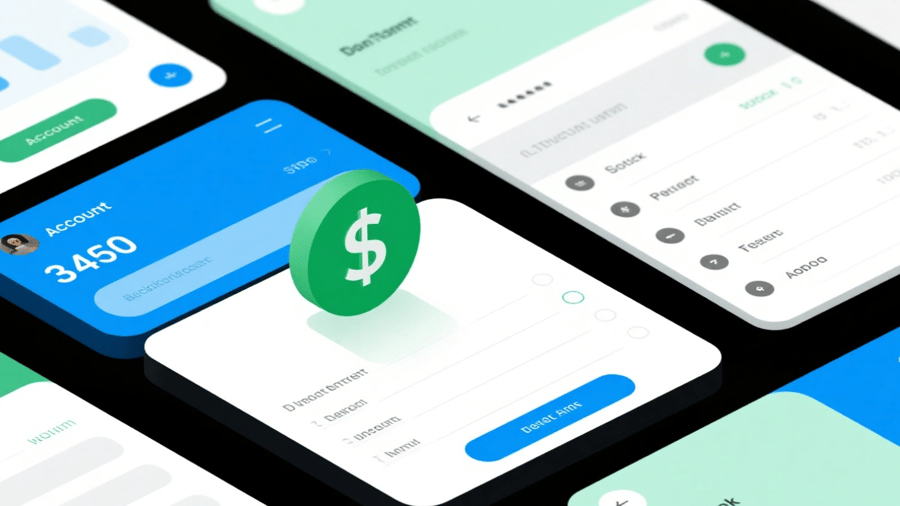
A digital bank account is an account that operates primarily through an online platform or mobile app. Unlike traditional banks with physical branches, digital banks often function entirely online. Customers can open an account, deposit money, pay bills, and track spending all from their smartphone or computer.
Some digital banks are standalone institutions, while others are fintech companies that partner with FDIC-insured banks to hold deposits securely.
Why Americans Are Searching for Digital Bank Accounts
The rise of digital banking in the U.S. is driven by several factors:
Convenience: Consumers want 24/7 access to their finances without needing to visit a branch.
Lower fees: Digital banks typically have fewer overhead costs, which means reduced or no monthly service fees.
Faster account setup: Opening a digital bank account can take just a few minutes online, compared to days at some traditional banks.
Innovative features: Tools like spending trackers, automated savings, and budgeting apps are highly attractive to younger generations.
Remote lifestyles: With remote work and increased mobility, people want accounts they can access from anywhere.
Key Features of Digital Bank Accounts
Easy Online Sign-Up Most digital banks allow you to create an account with just a government-issued ID and a few personal details.
Low or No Fees Many digital accounts have no monthly maintenance fees, no overdraft charges, and no minimum balance requirements.
Mobile-First Experience Features like real-time notifications, instant transfers, and biometric login make mobile banking secure and user-friendly.
Integration With Payment Apps Digital accounts often integrate seamlessly with apps like Venmo, PayPal, Zelle, and Apple Pay.
Savings and Budgeting Tools Some accounts round up purchases and deposit the difference into savings, or provide detailed spending analysis.
ATM Access Even though digital banks lack branches, many partner with large ATM networks to provide free cash withdrawals.
FDIC Insurance Reputable digital banks ensure deposits are FDIC insured, typically up to $250,000 per account holder.
Benefits of Digital Bank Accounts
Accessibility: Great for people in rural areas or those who prefer banking outside traditional hours.
Cost savings: Fewer fees compared to large traditional banks.
Flexibility: Perfect for frequent travelers, remote workers, or digital nomads.
Speed: Transfers and deposits are often processed more quickly than with legacy institutions.
Personalized tools: AI-driven insights and financial wellness tips help users better manage their money.
Potential Drawbacks and Risks
While digital bank accounts are convenient, they are not without challenges:
Limited in-person support: Without physical branches, customer service is usually online or over the phone.
Cash deposits: Depositing cash may be more difficult compared to traditional banks.
Technology dependence: Outages or app glitches can temporarily prevent account access.
Regulation differences: Some fintechs partner with banks rather than being full banks themselves, which can confuse consumers.
Trust factor: Some users may feel uneasy about keeping their money with a bank that lacks a physical presence.
Digital Bank Accounts vs. Traditional Banks
| Feature | Digital Bank Accounts | Traditional Banks |
|---|---|---|
| Branches | Online only | Physical locations |
| Fees | Low or none | Often higher |
| Account Setup | Minutes online | May require paperwork |
| Customer Support | Chat, email, phone | In-person + phone |
| Features | Budgeting, instant transfers | Standard banking tools |
| Best For | Tech-savvy, cost-conscious | Customers wanting in-person help |
Who Should Consider a Digital Bank Account?
Young adults and students who want low-cost accounts.
Frequent travelers who value international access and mobile features.
Remote workers and freelancers needing flexible, app-based banking.
Budget-conscious families looking to avoid fees.
Small business owners who need modern money management tools.
How to Choose the Right Digital Bank Account
Check FDIC Insurance – Make sure the account is covered for deposits up to $250,000.
Compare Fees – Look at ATM fees, overdraft charges, and international transaction costs.
Review App Features – Ensure the platform offers features you will use regularly.
Look at ATM Networks – Confirm free access to a wide ATM network.
Read Customer Reviews – Pay attention to feedback on customer support and reliability.
The Future of Digital Banking in the U.S.
Digital bank accounts are expected to grow rapidly in the coming years. With fintech innovations, we may see more accounts offering:
Integrated crypto wallets
AI-driven investment tools
Biometric security enhancements
Seamless cross-border transfers
For many Americans, digital bank accounts will not just be an alternative to traditional banking, but the preferred choice.
Conclusion
A digital bank account offers convenience, lower fees, and powerful financial tools that align with today’s lifestyles. While they may not fully replace traditional banks for everyone—especially those who prefer face-to-face service—they provide a modern, efficient, and cost-effective way to manage money. By carefully comparing providers, ensuring FDIC insurance, and evaluating features, you can find a digital banking solution that fits your financial needs and helps you stay in control of your money.