What Plaque Psoriasis Looks Like And Treatment Options
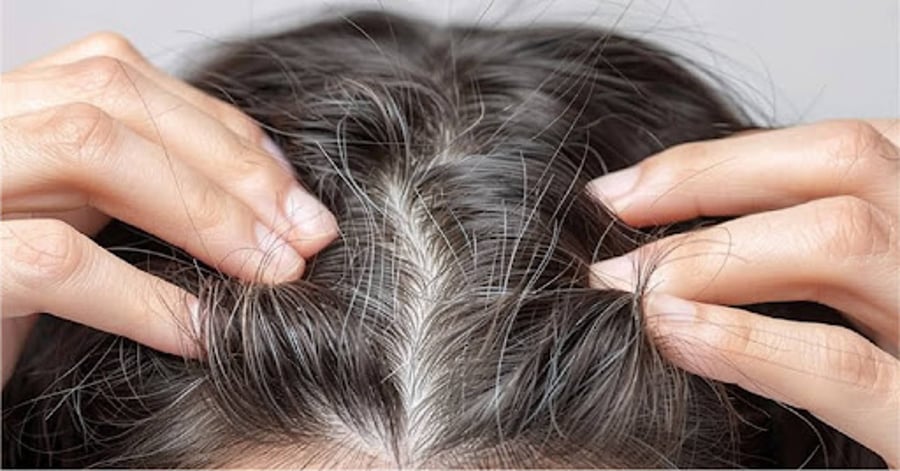
Plaque psoriasis is a skin condition that affects millions of people worldwide. Understanding its presentation is essential for early diagnosis and effective treatment. There are a variety of ways to treat plaque psoriasis, and we've chosen the following programs that have the expertise and support to help patients find relief from plaque psoriasis.
What Plaque Psoriasis Looks Like And Treatment Options - What is Psoriasis?
Plaque psoriasis is a chronic autoimmune skin disease, and while there is no cure for this condition, there are a variety of treatments that can help patients manage their symptoms and improve their quality of life.
The primary symptoms of plaque psoriasis include:
1.Red, raised, and scaly patches on the skin
2.Itching or burning sensation in the affected areas
3.Cracking or bleeding of the plaques
4.Thickened, discolored nails
5.Joint pain or stiffness (in some cases)
The severity of symptoms can vary from person to person, and the condition may go through cycles of flare-ups and remission.
Topical treatment of plaque psoriasis:
Topical treatments are often the first line of defense for mild to moderate plaque psoriasis. These medications are applied directly to the affected skin and may include corticosteroids, vitamin D analogs, retinoids, or calcineurin inhibitors. They work by reducing inflammation, slowing down skin cell growth, and alleviating itching and redness.
Plaque psoriasis phototherapy:
Phototherapy involves exposing the skin to specific wavelengths of light, such as ultraviolet (UV) light, to reduce inflammation and slow down the rapid growth of skin cells. Types of phototherapy commonly used for plaque psoriasis include narrowband UVB therapy and PUVA (psoralen plus ultraviolet A) therapy. Phototherapy may be administered in a medical setting or through home-based devices under medical supervision.
Systemic medications for plaque psoriasis:
Systemic medications are prescribed for moderate to severe plaque psoriasis that doesn't respond to topical treatments or phototherapy. These medications are taken orally or injected and work throughout the body to suppress the immune system and reduce inflammation. Common systemic medications for plaque psoriasis include methotrexate, cyclosporine, acitretin, and newer biologic drugs like TNF inhibitors, interleukin inhibitors, and PDE4 inhibitors.
Biologic therapy for plaque psoriasis:
Biologic therapies are a newer class of medications that target specific parts of the immune system involved in plaque psoriasis. They are typically administered through injections or infusions and can provide significant improvement in symptoms. Biologics such as adalimumab, etanercept, ustekinumab, secukinumab, and ixekizumab have shown efficacy in treating moderate to severe plaque psoriasis.
Plaque psoriasis improvement starts with lifestyle changes:
In addition to medical treatments, certain lifestyle modifications can help manage plaque psoriasis. These include maintaining good skin hygiene, avoiding triggers like stress, smoking, and excessive alcohol consumption, moisturizing the skin regularly, and protecting the skin from injury or trauma.
In conclusion
While there is no cure for plaque psoriasis, there are several effective treatment options available. Topical treatments, phototherapy, systemic medications, biologic therapies, and lifestyle modifications can all play a role in managing the symptoms and improving the quality of life for individuals living with plaque psoriasis. Working closely with a healthcare professional can help tailor a treatment plan that best suits individual needs.
To delve deeper into the visual manifestations of plaque psoriasis and explore a broader range of treatment options, read related content above "What Plaque Psoriasis Looks Like And Treatment Options".